Peru is one of the most amazing countries in South America. Here, ancient Inca cities stand alongside the colonial heritage of the conquistadors, and the landscapes shift from deserts and jungles to majestic Andean mountains and volcanoes. I had long dreamed of seeing Machu Picchu, Lake Titicaca, the Nazca Lines, and the giant condors in Colca Canyon. With its unique culture, delicious food, breathtaking scenery, and friendly people, Peru did not disappoint for a second.
In this article, I’ll share my favorite places and what to see in Peru in 2 weeks.
Machu Picchu
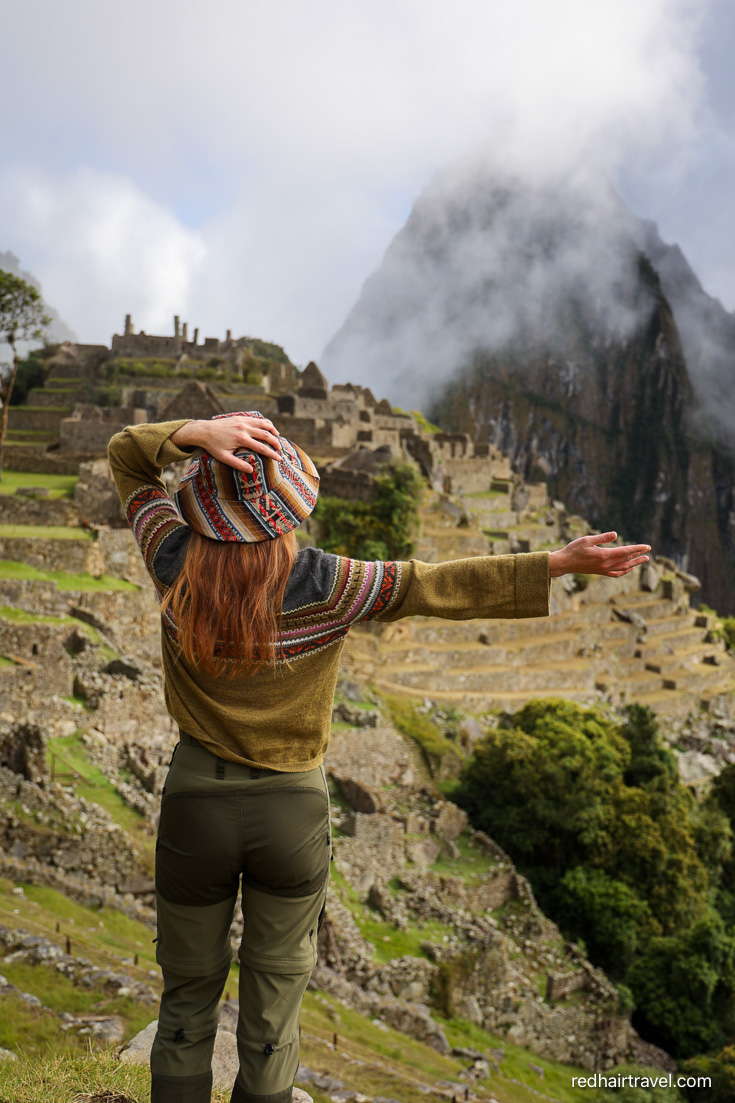
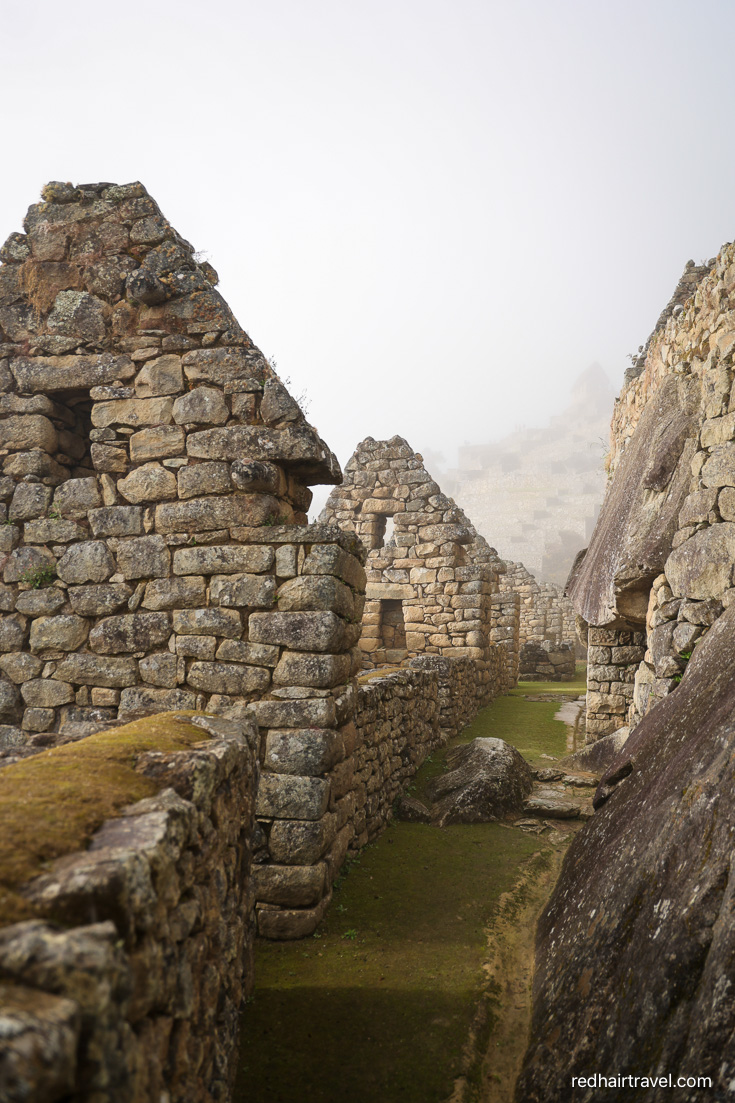
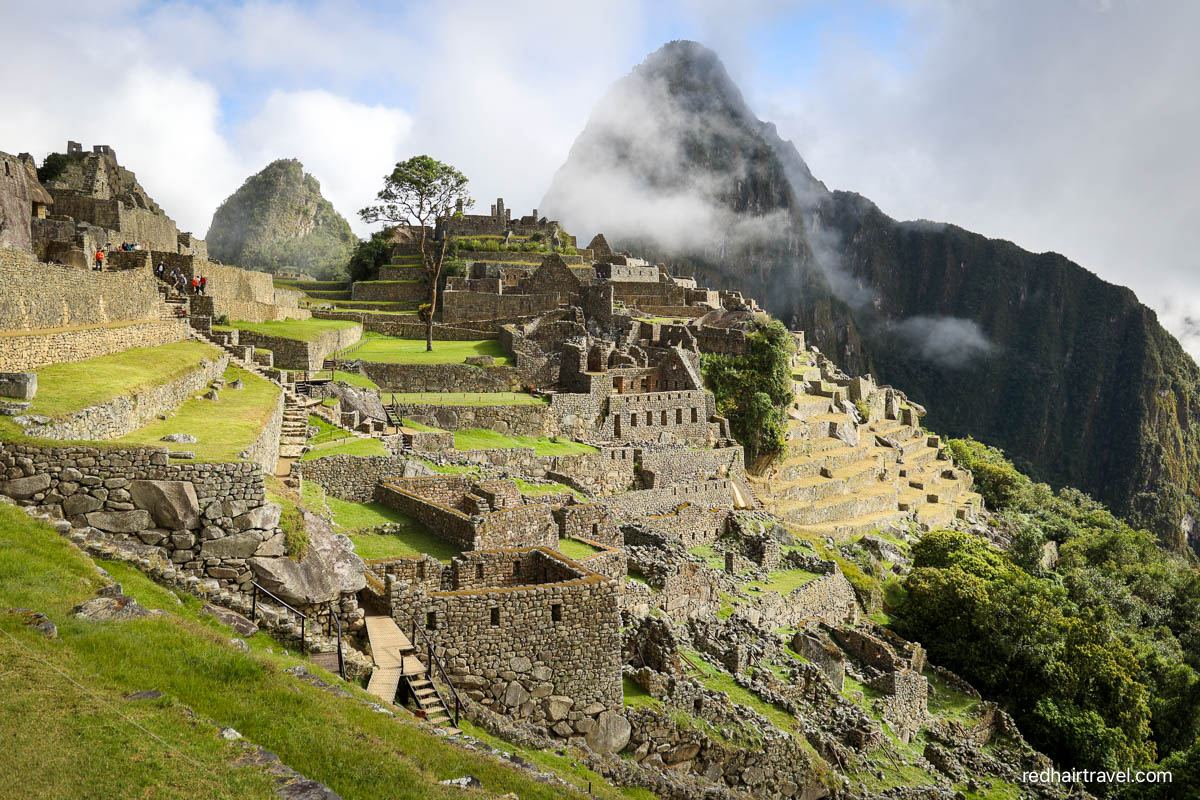
Machu Picchu is Peru’s most famous landmark and one of the most impressive archaeological sites on the planet. This ancient Inca city is located at an altitude of about 2,430 meters in the Andes and is surrounded by green mountains and cloud forests.
The city was built in the 15th century by the Inca emperor Pachacutec. It was never discovered by Spanish colonizers and was virtually forgotten until the early 20th century. Today, Machu Picchu is protected by UNESCO and is considered one of the Seven New Wonders of the World.
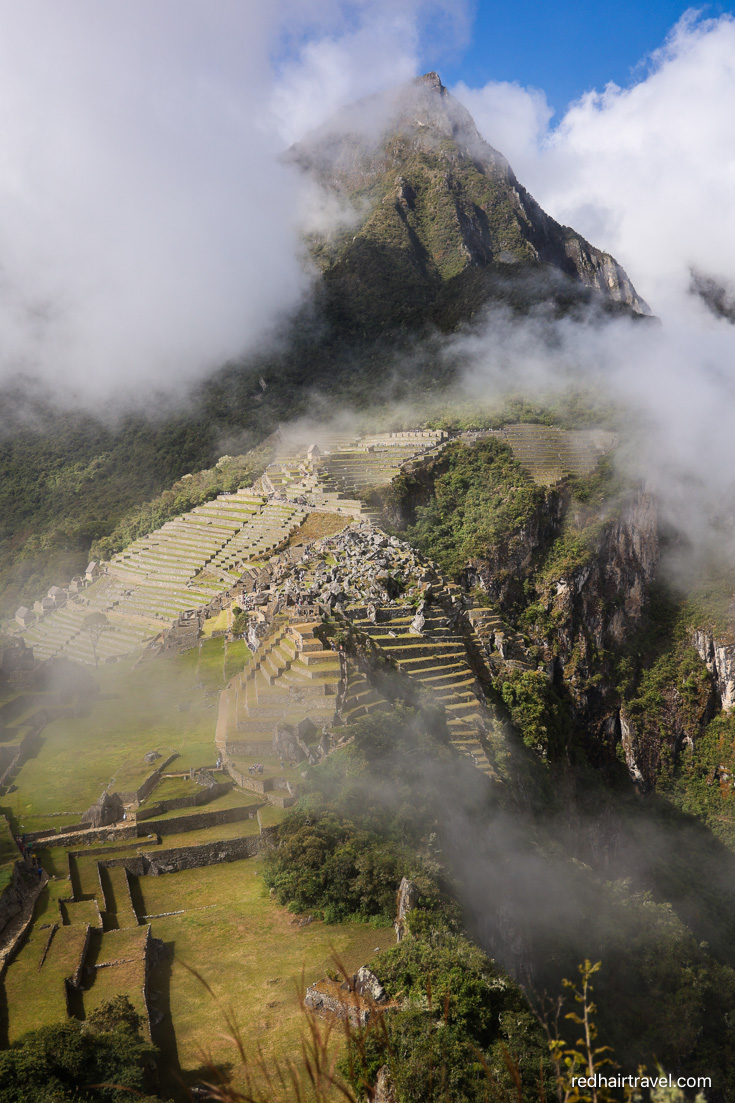
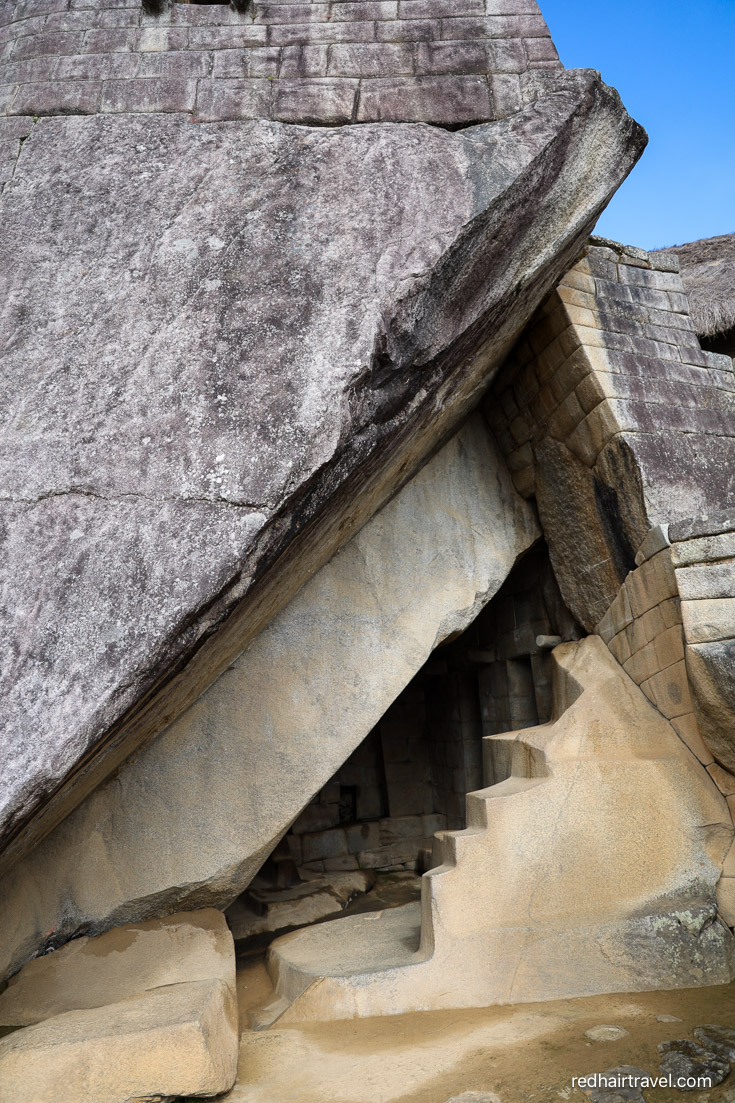
My trip to Machu Picchu was a real adventure. Our train was cancelled because of a strike, so getting to Aguas Calientes took us the whole day – by bus and then 10 kilometers on foot. When we reached the citadel at six in the morning, the fog was so thick that we could barely see anything. Our guide – a descendant of the Incas – even suggested making an offering to the gods, for example, my red hair. When I agreed to cut it off as soon as I got back home, the fog suddenly lifted, and an email arrived saying that train service had been restored. After that, everything went smoothly.
Machu Picchu is a special place. There is an energy there that I have never experienced anywhere else. If magic exists anywhere on this planet, it is most likely here at Machu Picchu. Definitely worth all the effort!
The town of Aguas Calientes is small and pleasant. I advise you to stay there overnight.
Where to stay in Aguas Calientes
- Inkaterra Machu Picchu Pueblo Hotel is the most beautiful and unusual hotel in Aguas Calientes. The price usually includes breakfast and dinner.
- Sanctuary Lodge, A Belmond Hotel is legendary, the only hotel near the citadel of Machu Picchu. The price tag is appropriate.
- Sumaq Machu Picchu Hotel is for lovers of aesthetics and luxury.
- Casa del Sol Machu Picchu – beautiful hotel, service, price/quality.
- Tierra Viva Machu Picchu is a riverside hotel with cozy rooms and delicious food.
- 1911 – great price/quality and location.
- Vilas Insight Hotel is a wonderful budget option.
How to get to Machu Picchu
- Train to Aguas Calientes (closest town to the citadel) from PeruRail or Inca Rail.
- Inca Trail Hike – 2-5 days. Mandatory with a guide, maximum 500 people per day.
- Bus from Cusco to Hidroelectrica, then 10 kilometers on foot along the railroad tracks to Aguas Calientes.
The train is the fastest way to get there, but locals often stage road strikes, and trains may get cancelled. The bus to Hidroelectrica takes almost seven hours along cliffside roads with sharp changes in altitude. In my opinion, the safest option is to hike the Inca Trail. It costs a bit more and takes longer, but you’re much more likely to make it for sure, especially since Machu Picchu tickets are quite expensive and non-refundable.
It’s important to know
- To get to Machu Picchu you need to buy a ticket in advance, 3-6 months before traveling. In 2026, the government limits the number of visitors per day to 5,650 tickets in season (June-August) and 4,600 tickets in off-season (January-May, October-December).
- Tickets vary in terms of routes and times. I took two: to the main town (guide is required, you can get one at the entrance) and to the Waynapicchu/Huayna Picchu mountain (no guide needed). The official ticketing site is at the link.
- Many recommend booking through tour operators who can help you choose the right itinerary, transportation, guides and accommodations(for example, here).
- Be sure to bring your passport! They won’t let you in without it.
READ ALSO: Traveling to Peru: 30 useful tips
Cusco
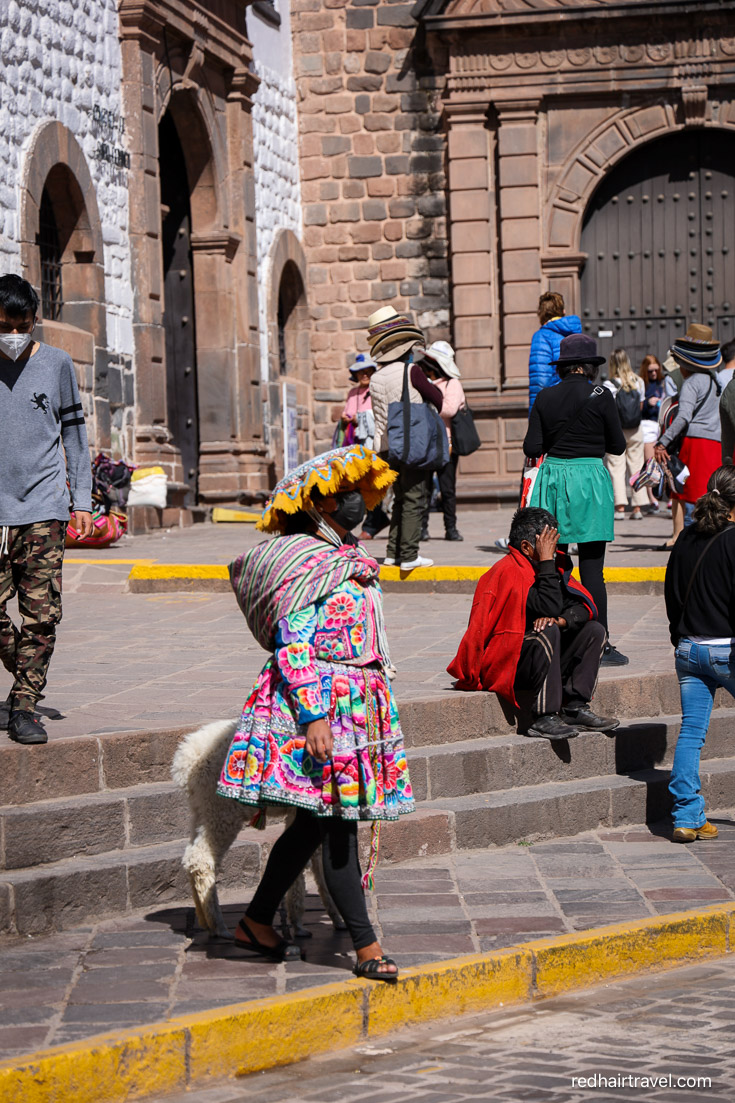
Cusco is considered Peru’s main tourist destination, primarily because of nearby Machu Picchu. But the city itself also has a great deal to offer travellers. Cusco was the capital of the Inca Empire from the 13th century until the arrival of the Spanish conquistadors, and it still preserves the character of that era.
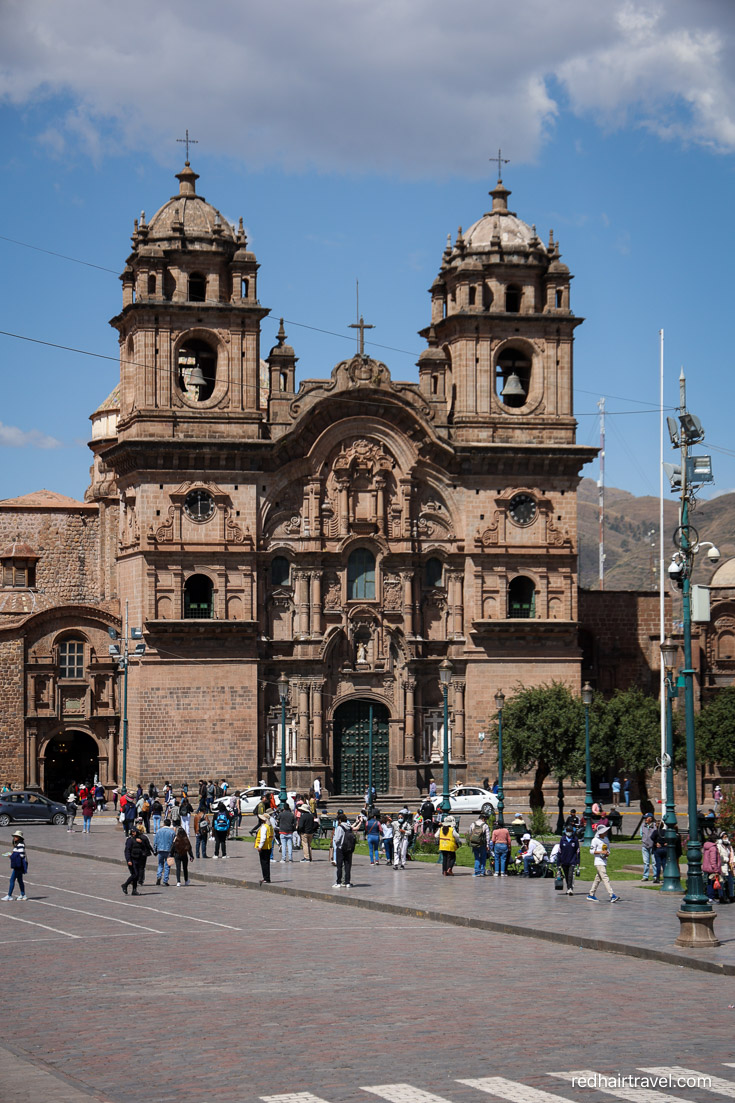
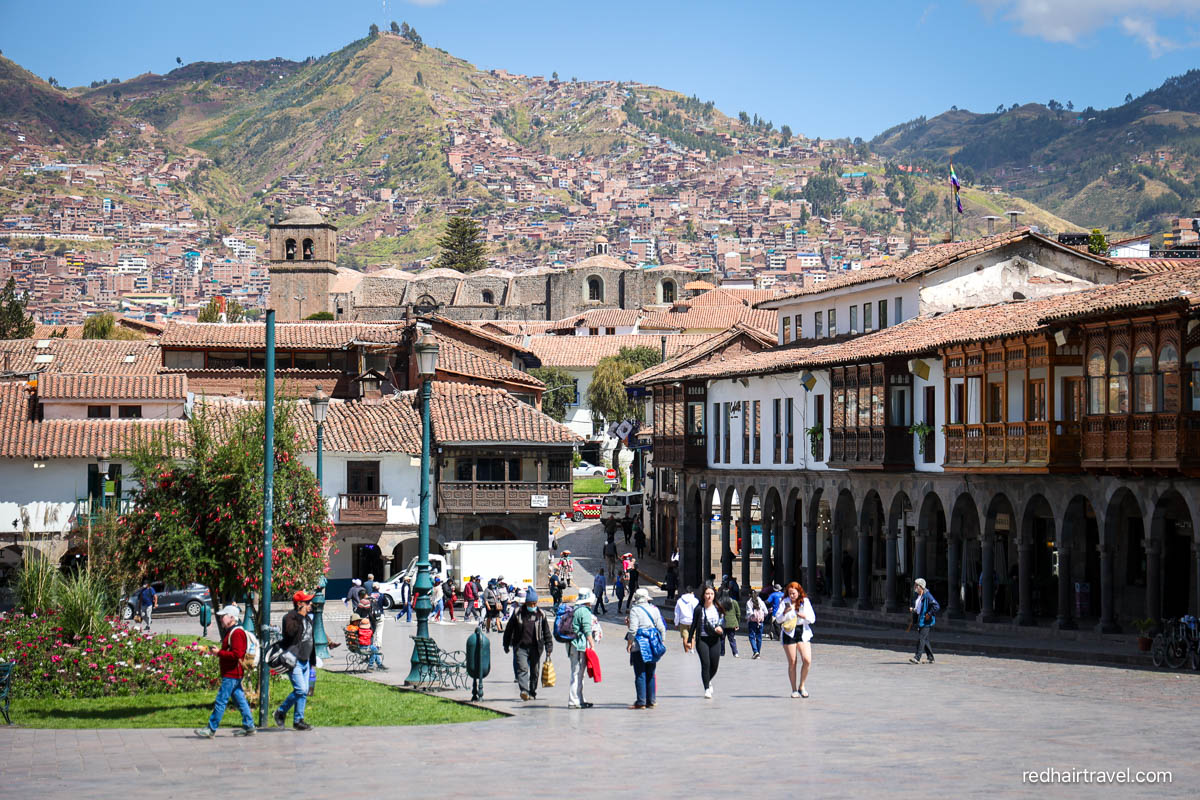
Cusco is home to one of the most beautiful historic centres in Peru – the city’s main square, Plaza de Armas. It is surrounded by colonial buildings, cathedrals, and charming balconies. Festivals, concerts, and celebrations are often held here.
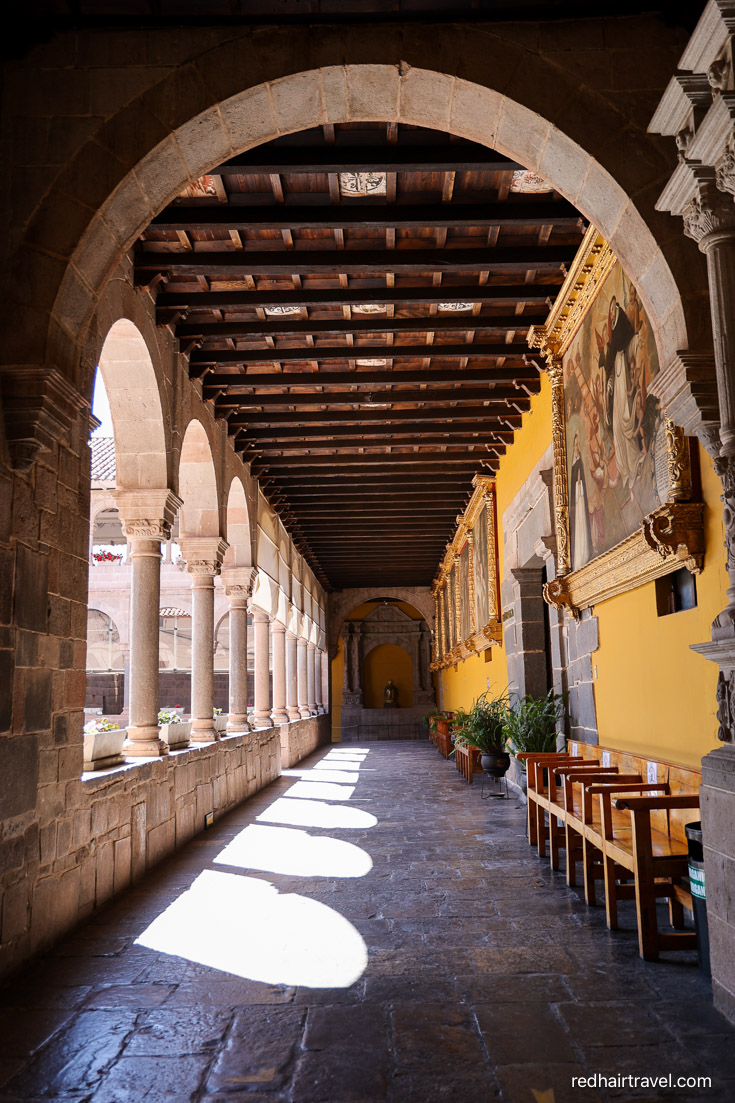
Qorikancha was one of the most important temples of the Inca Empire. It was built in the mid-15th century and was literally covered with massive sheets of gold, each weighing around 2 kilograms. The temple was filled with giant golden statues and altars, all of which were melted down and taken away within a month of the first conquistadors’ arrival.
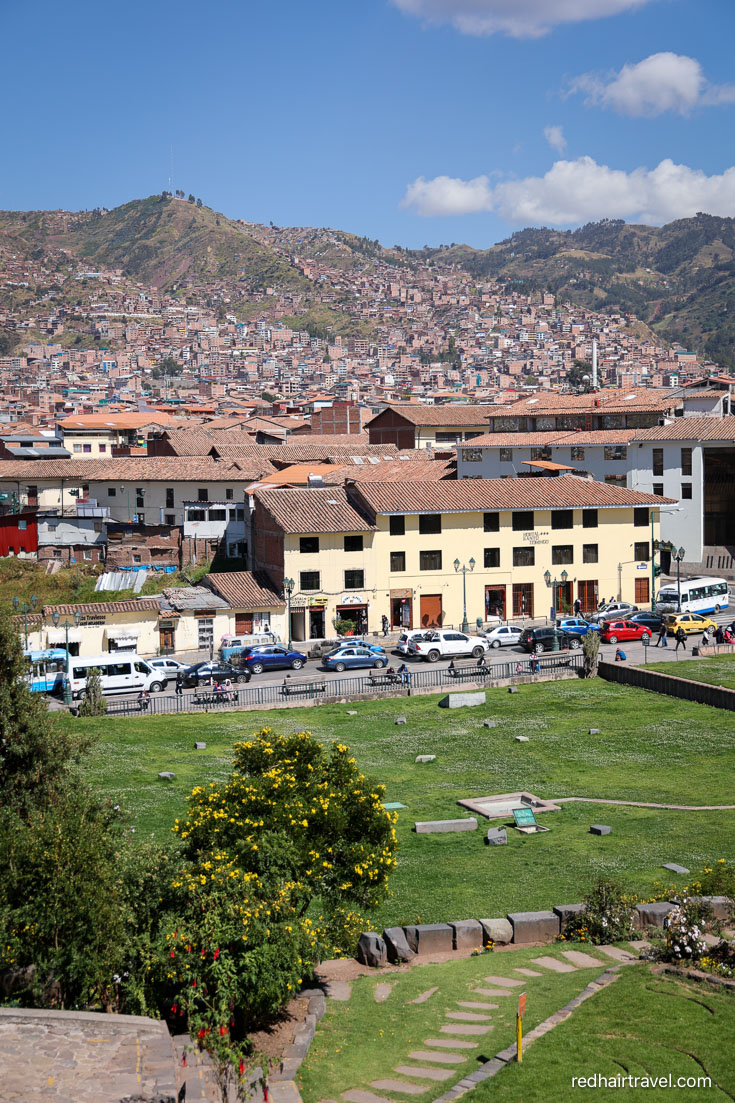
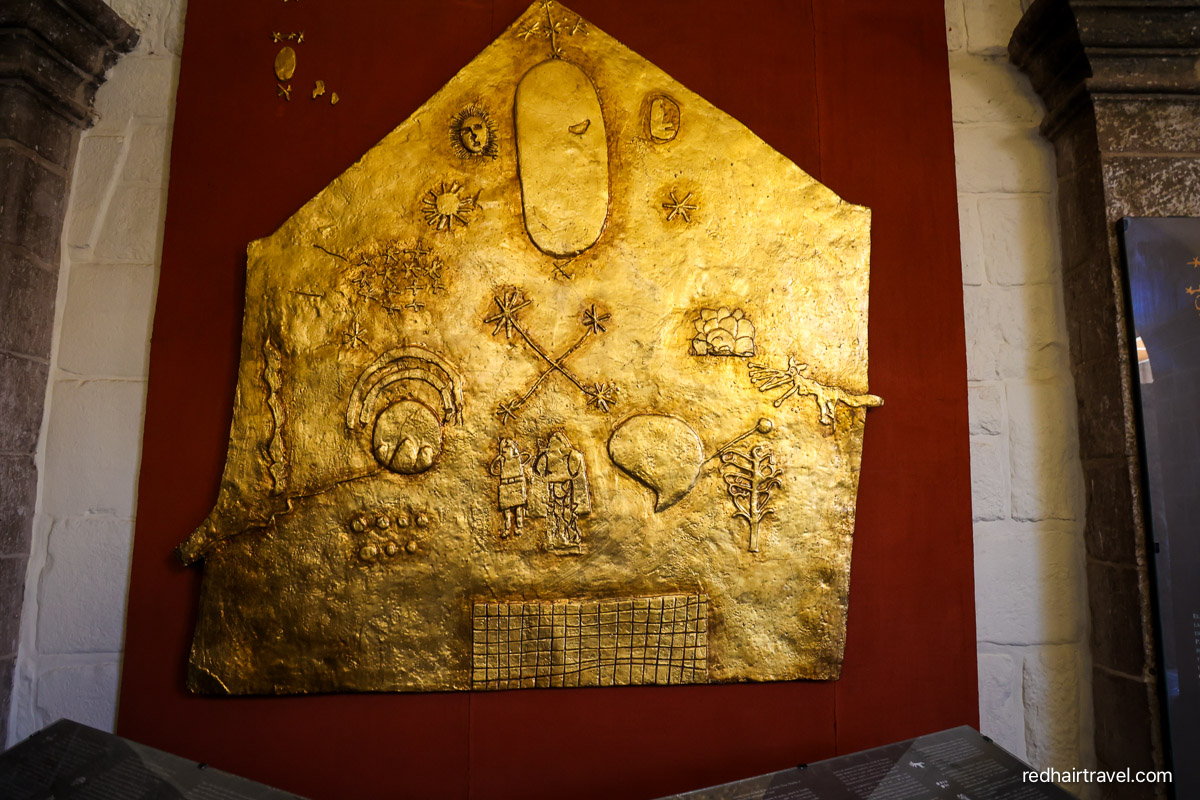
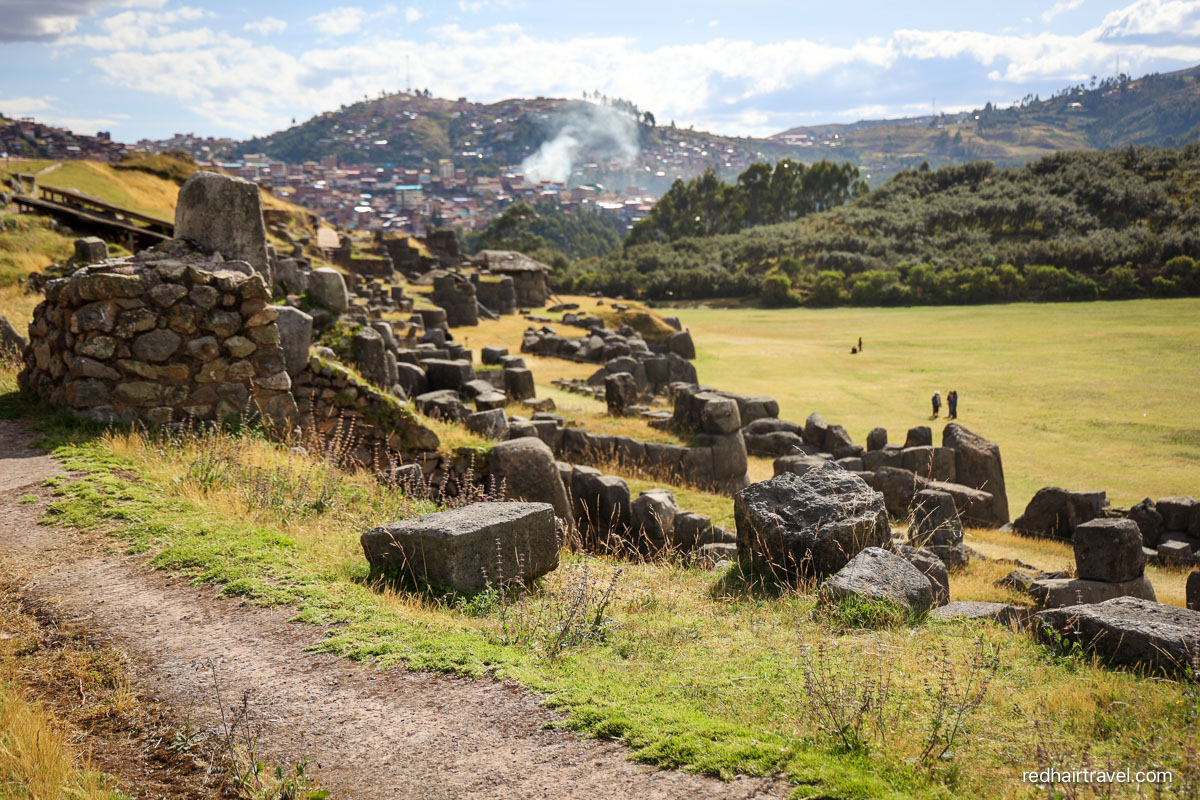
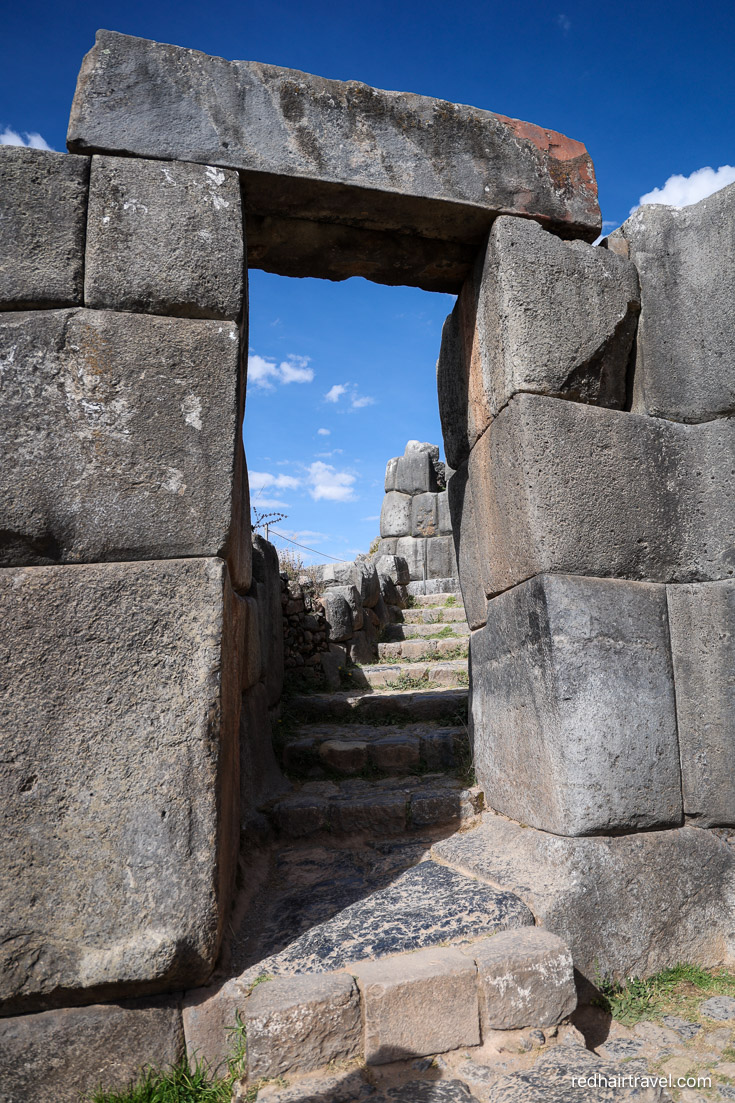
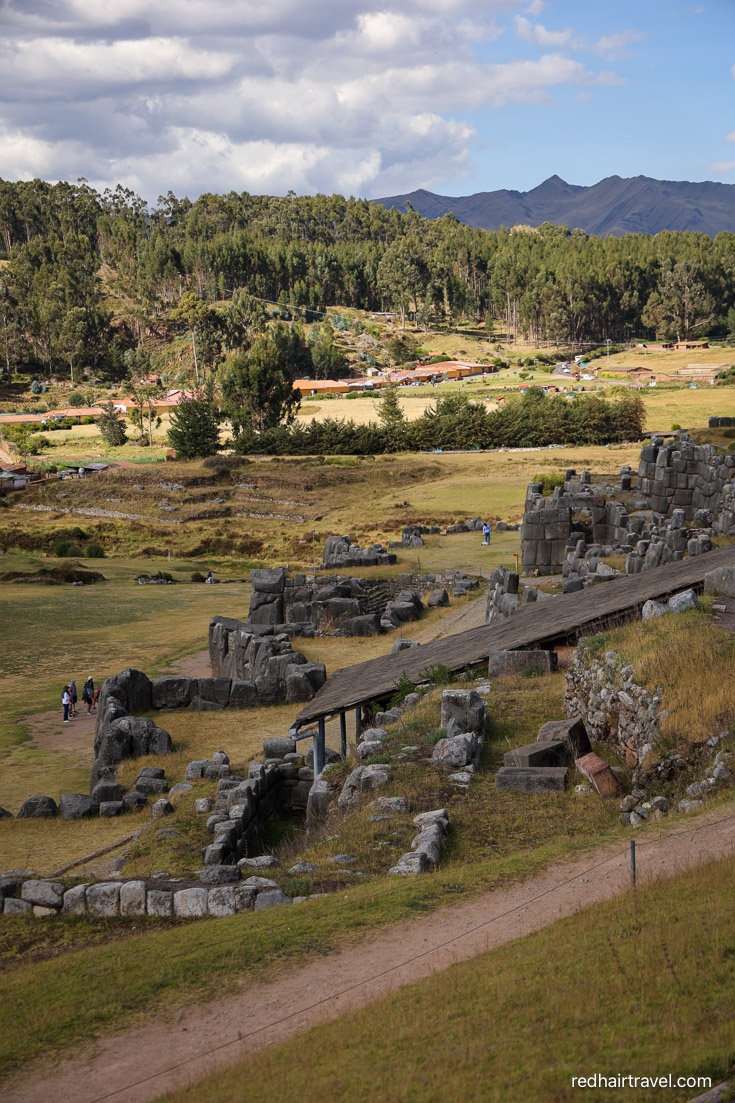
Not far away is the Inca fortress of Saqsaywaman. It was one of the largest structures built by the Incas in the 14th and 15th centuries. Huge stone blocks weighing between 100 and 200 tonnes are fitted together so precisely that not even a sheet of paper can slip between them. Historians estimate that at least 20,000 people worked on its construction over nearly 50 years. Nearby, you can also visit other fascinating archaeological sites, such as the Q’enqo complex and the Temple of the Moon.
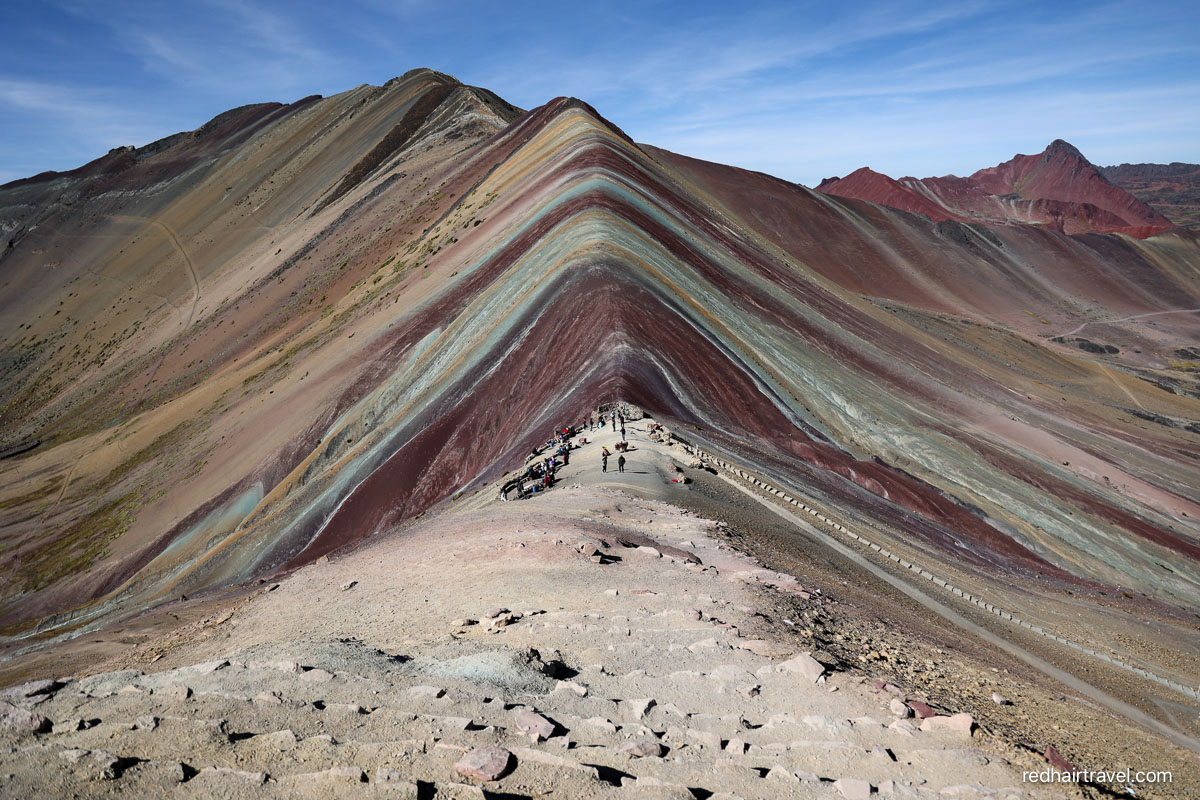
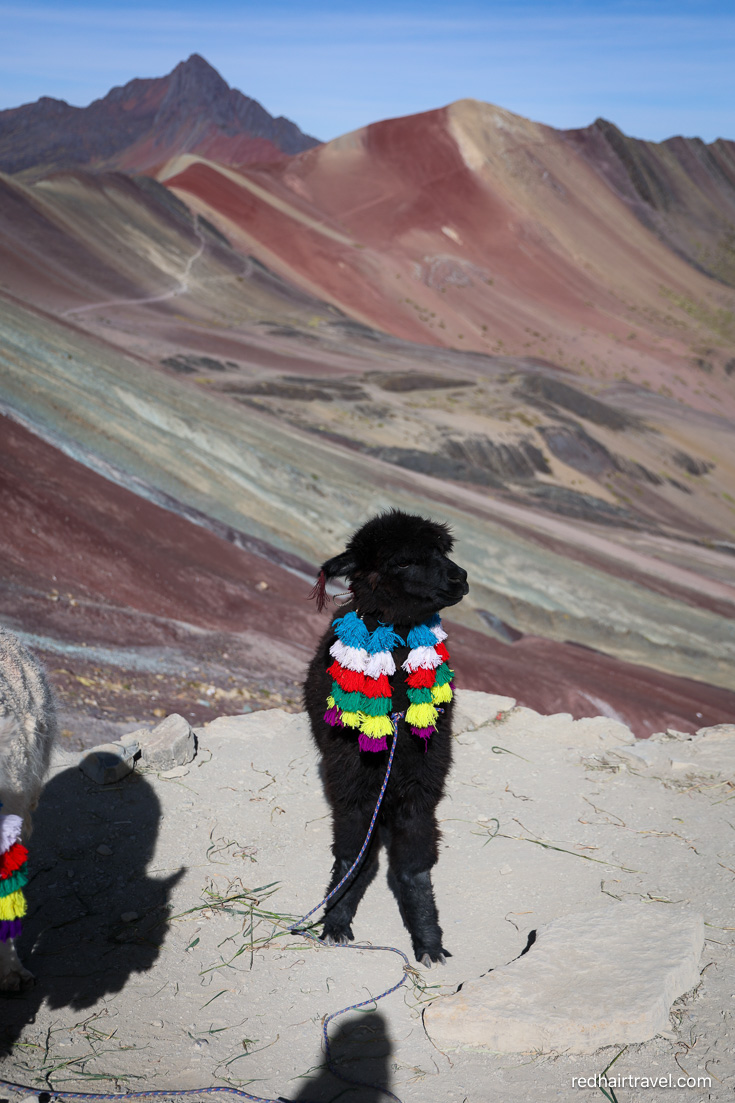
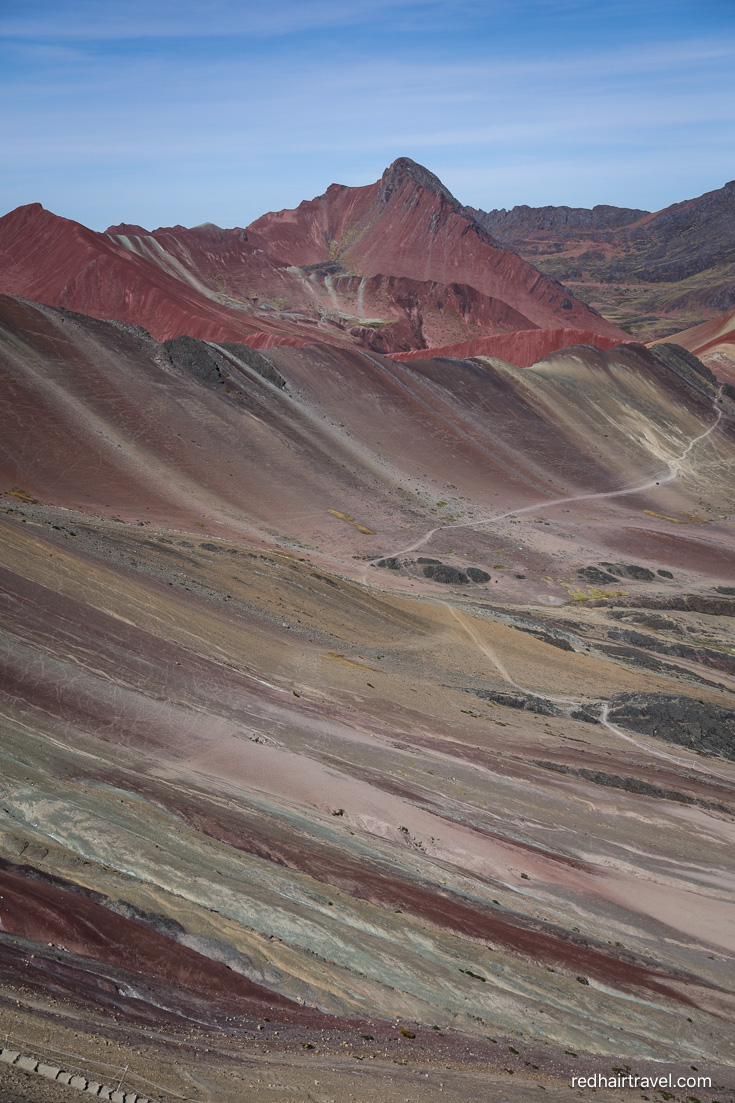
From Cusco there are tours to Rainbow Mountain Vinicunca. National Geographic included it in its list of “100 Places to visit before you die”. For a long time, this area was hidden deep in the Andes under a thick layer of snow. When the ice began to melt, the mountain’s slopes were revealed in bright multicoloured stripes, shaped by wind and moisture. Vinicunca only became widely known in 2015. The summit is over 5,000 metres above sea level, so it is a good idea to take altitude sickness medication in advance before the trip.
Where to stay in Cusco
- Monasterio, A Belmond Hotel is a luxury hotel in a former 16th century monastery, an ideal location.
- Palacio del Inka is a very nice hotel in a restored 15th century palace, great location.
- MOAF Cusco Boutique Hotel – great price/quality hotel, views of the Urubamba Mountains.
- Hotel Rojas Inn is a cozy budget colonial-style hotel in a great location.
- Atoq San Blas Hotel is an elegant hotel just a little away from the tourist madness, in a colorful neighborhood, price/quality.
Huacachina
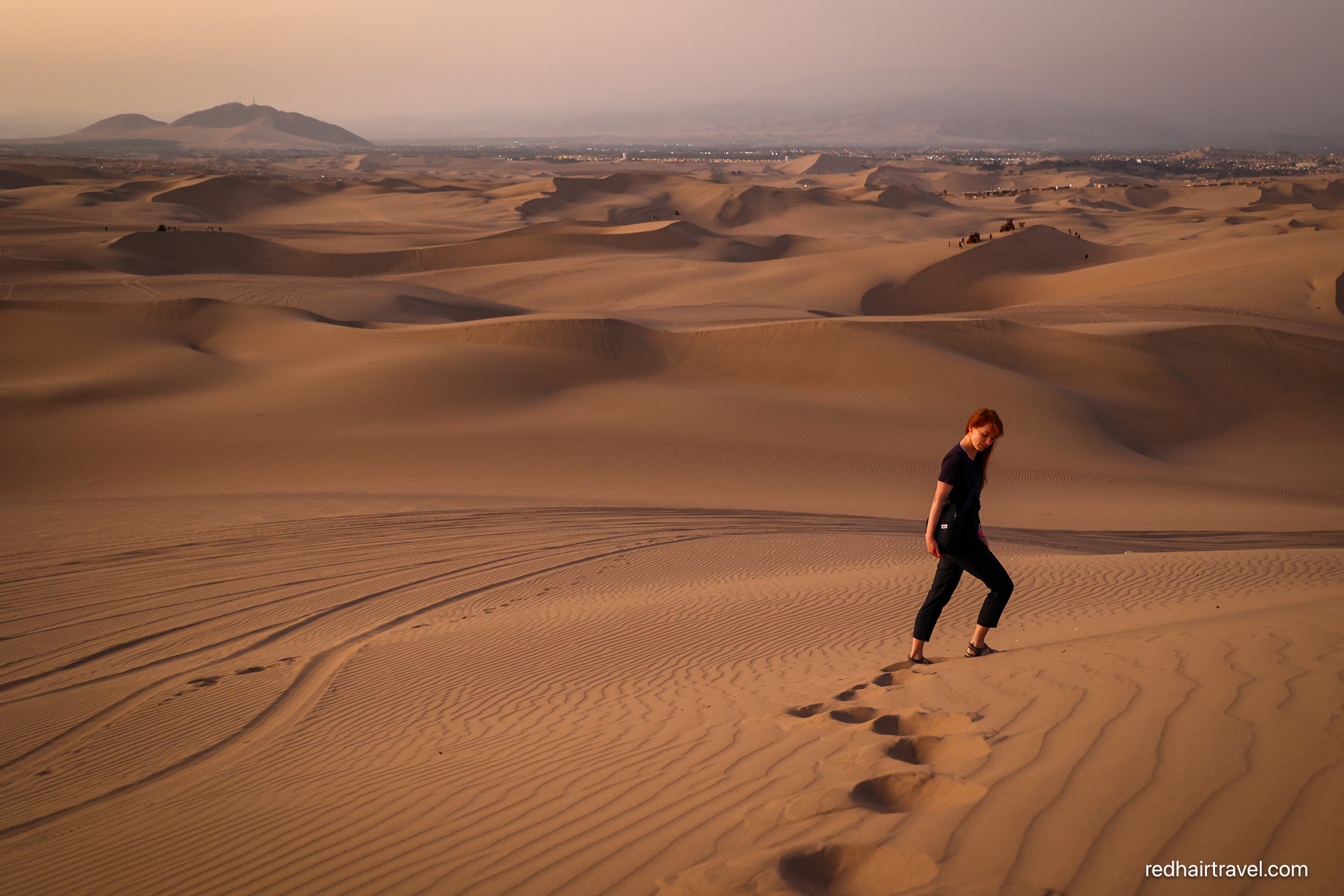
Huacachina is a small natural oasis in the middle of the desert, not far from the city of Ica. It was once believed that the waters of this oasis had healing properties, and it used to be a popular summer resort. Today, Huacachina is a well-known tourist destination and a favourite weekend getaway for locals.
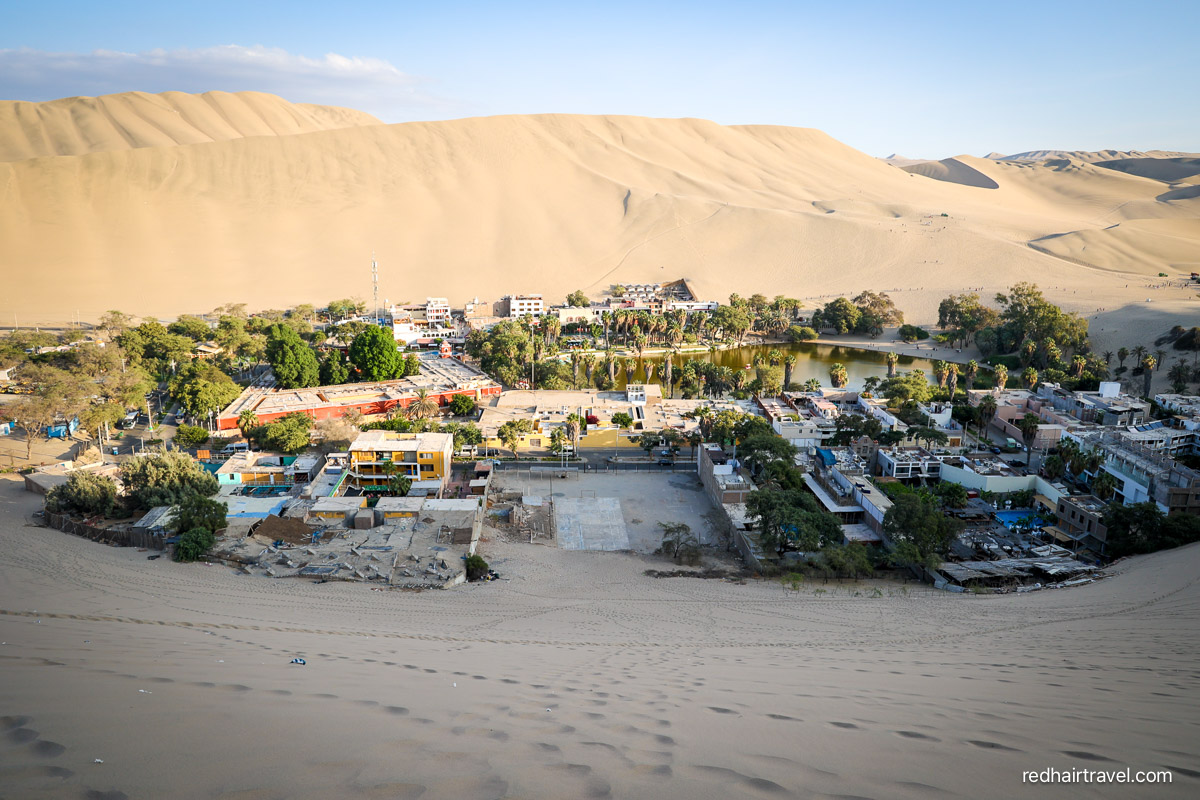
The main activities here are sandboarding and riding dune buggies. Most buggy tours leave from the hotels at around 4:00–4:30 p.m. If you have not booked anything in advance, do not worry – there is usually a whole fleet of buggies waiting near the oasis, and their prices are often lower than the ones offered by the hotels. You can book a buggy tour online here or here.
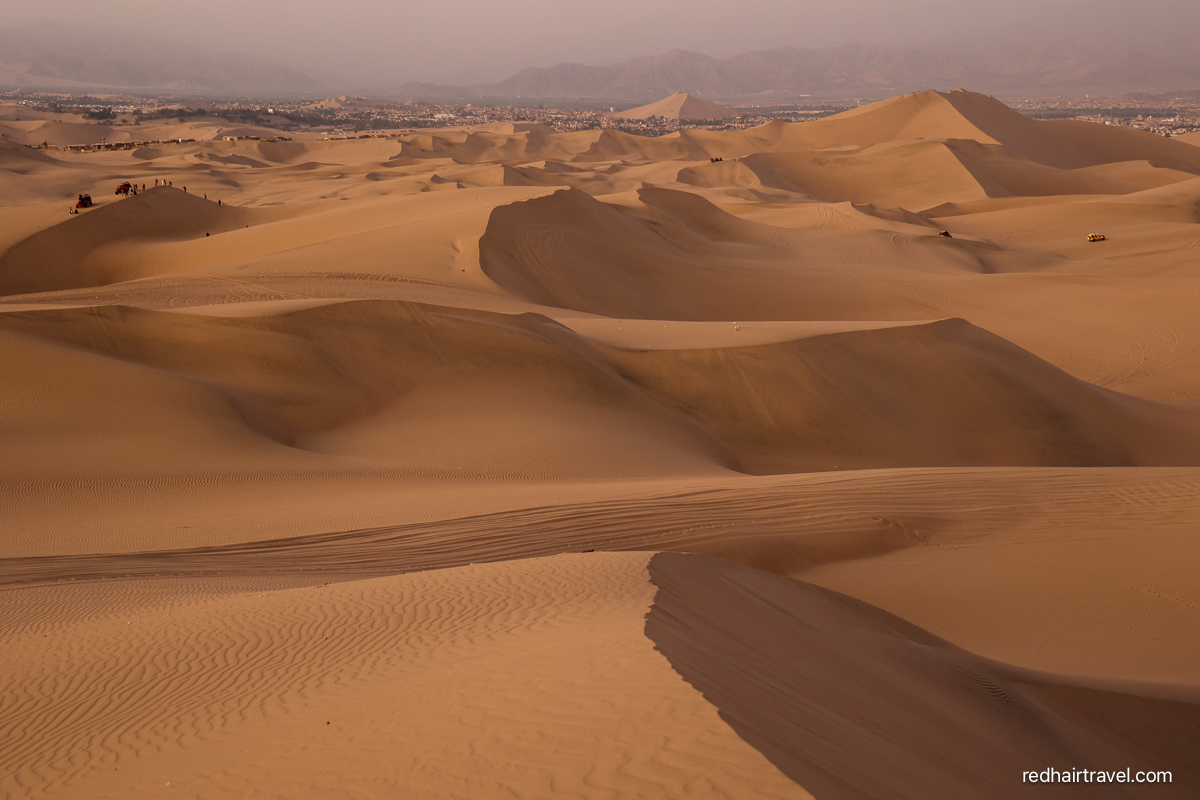
A dune buggy ride may feel quite extreme to some people. Drivers perform real stunts: racing up the tops of massive dunes at high speed, speeding sharply back down, and practically “jumping” across the sand. Sandboarding is usually included in the tour as well. It may look a bit scary as well, but in reality it is a lot of fun. Try to book an evening tour at sunset, when the desert turns shades of red and orange.
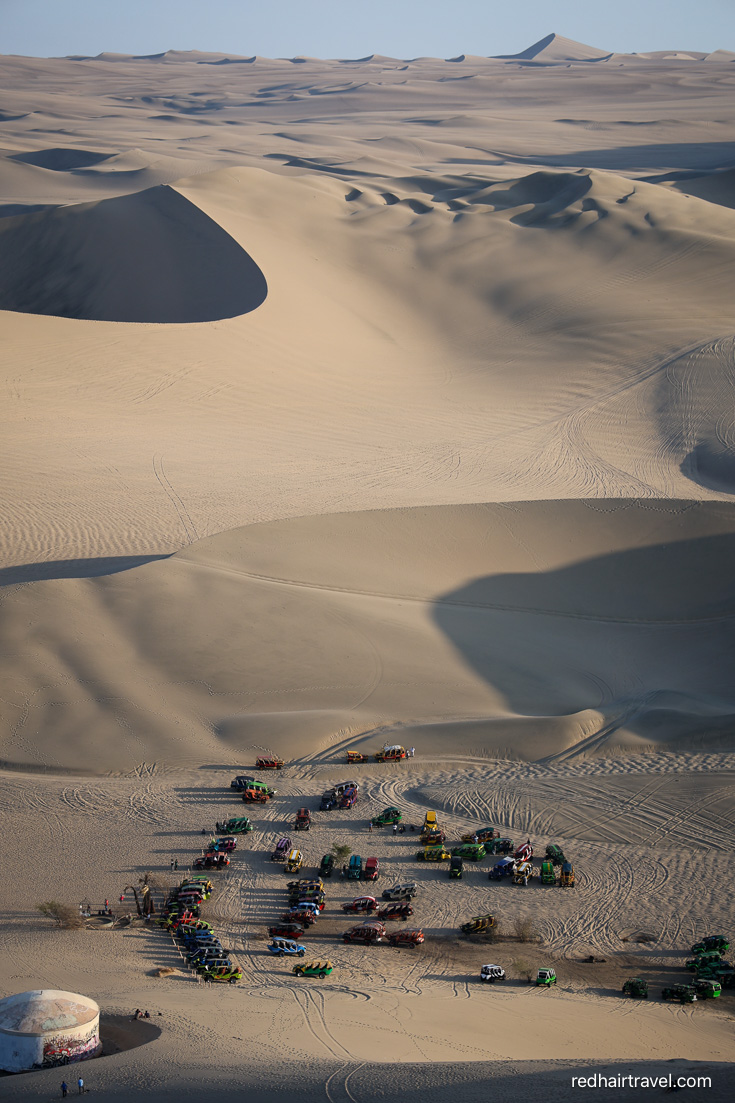
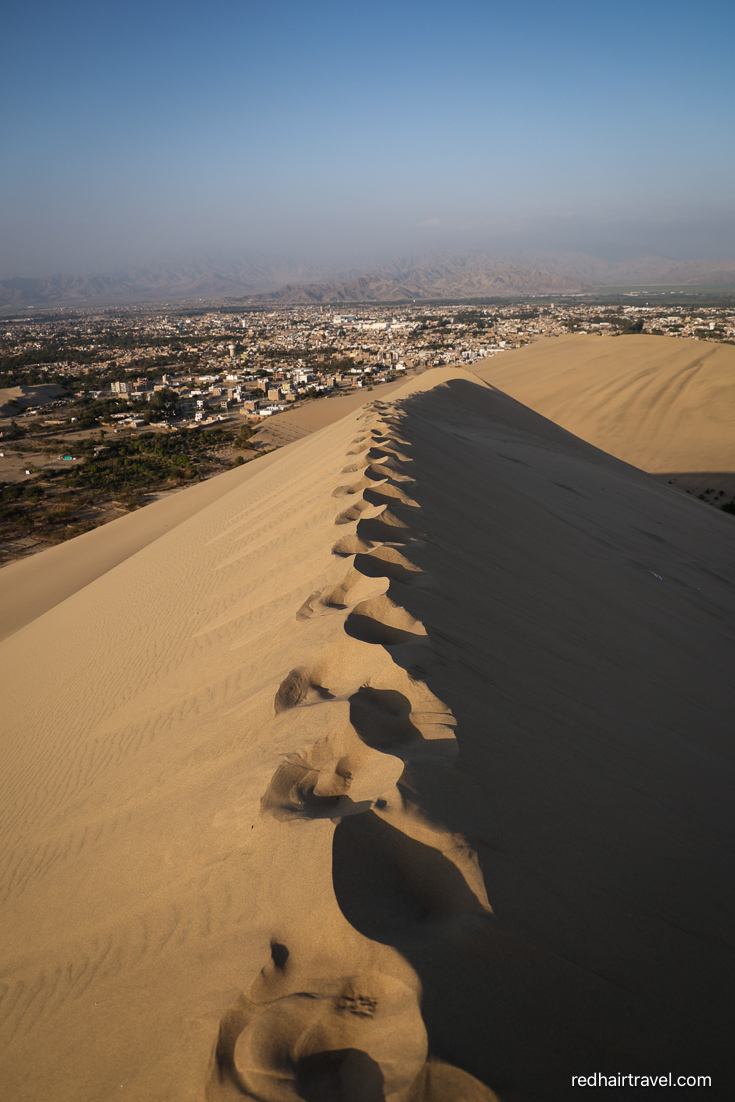
I also recommend doing a small hike up the dune to the Mirador de Huacachina. The trail started at the end of Av. Angela de Perotti, after the tavern. It is hard to walk on the sand, but from the top there is a beautiful view of the neighborhood.
Where to stay in Huacachina
- Banana’s Adventure Hostel is a decent hostel with shared and private rooms. Nice restaurant on site, adults only.
- Senoma Hotel – excellent price/quality, adults only.
- Hotel Curasi – clean, family friendly, breakfast on the rooftop.
- Rochabus is a budget family hotel.
Arequipa
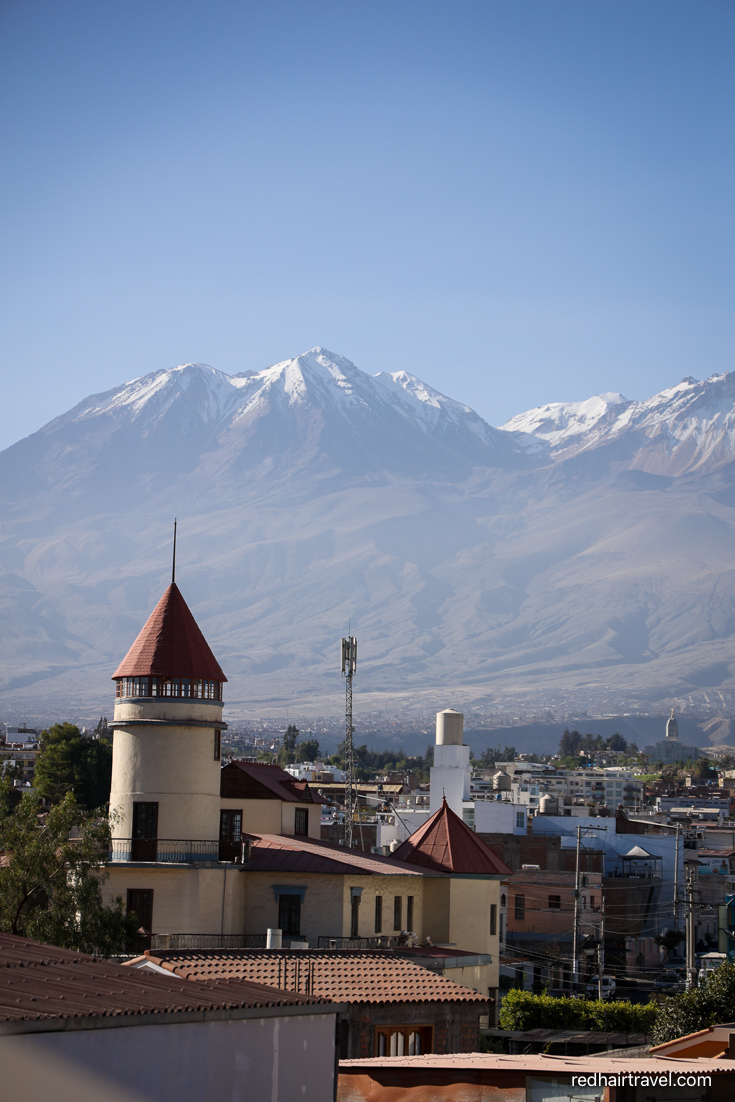
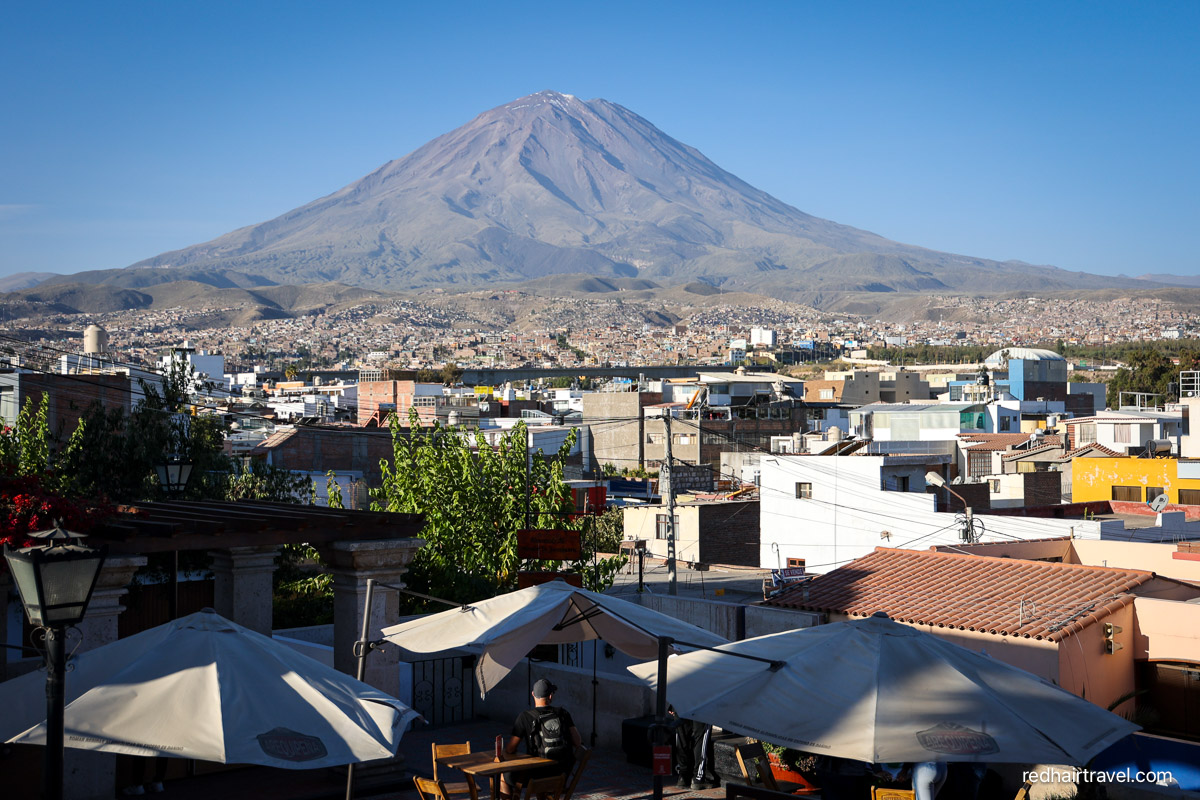
Arequipa is a city surrounded by three volcanoes. It is known for its delicious cuisine and beautiful Baroque buildings made of sillar, a white volcanic stone. Thanks to this stone, Arequipa earned the nickname “the White City.” Founded by the Spanish in 1540, Arequipa is considered one of the best places in Peru to experience the colonial culture of that era.
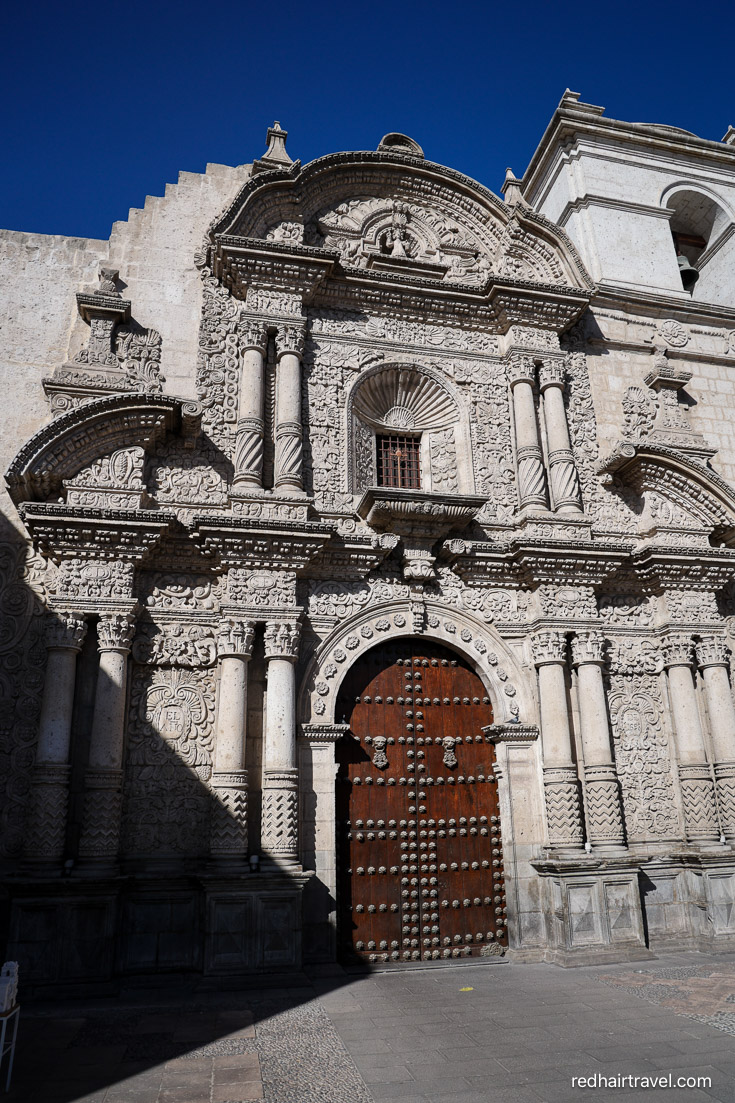
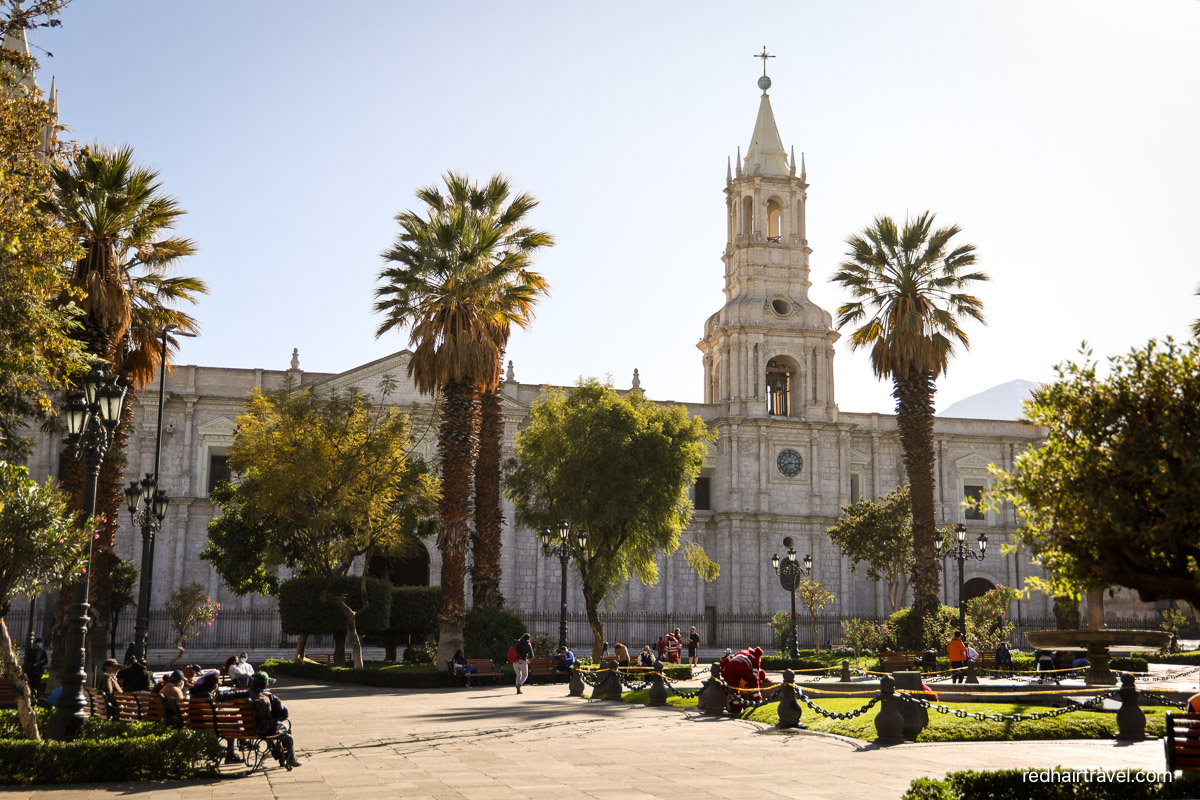
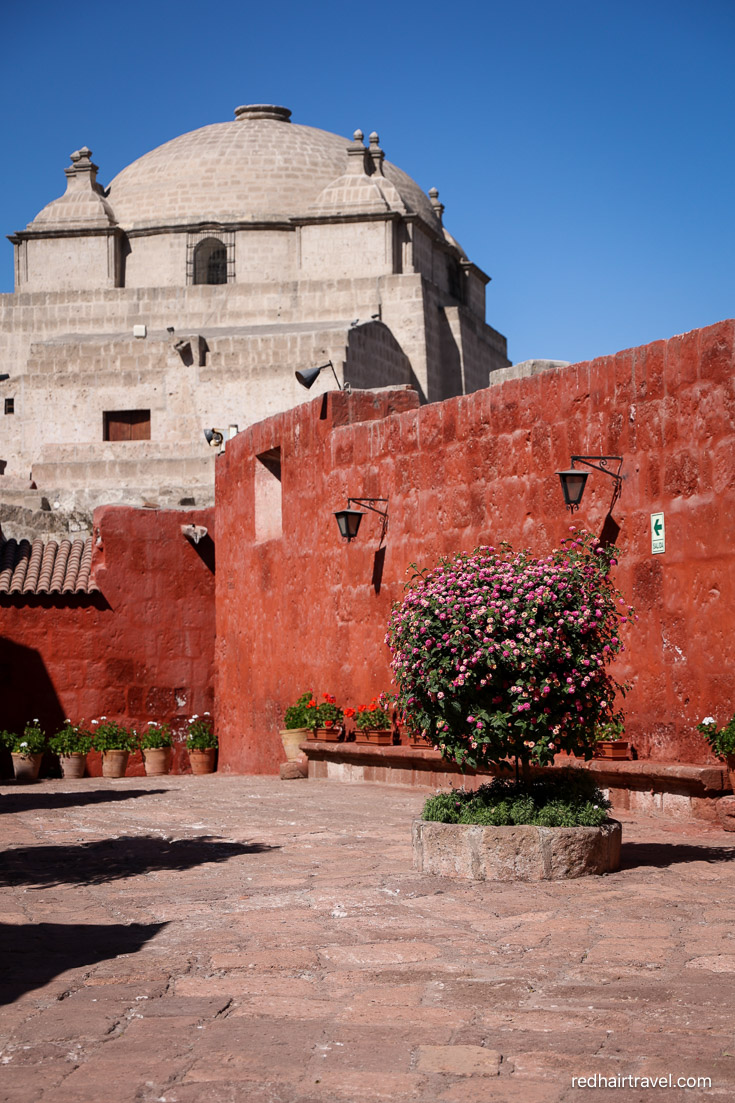
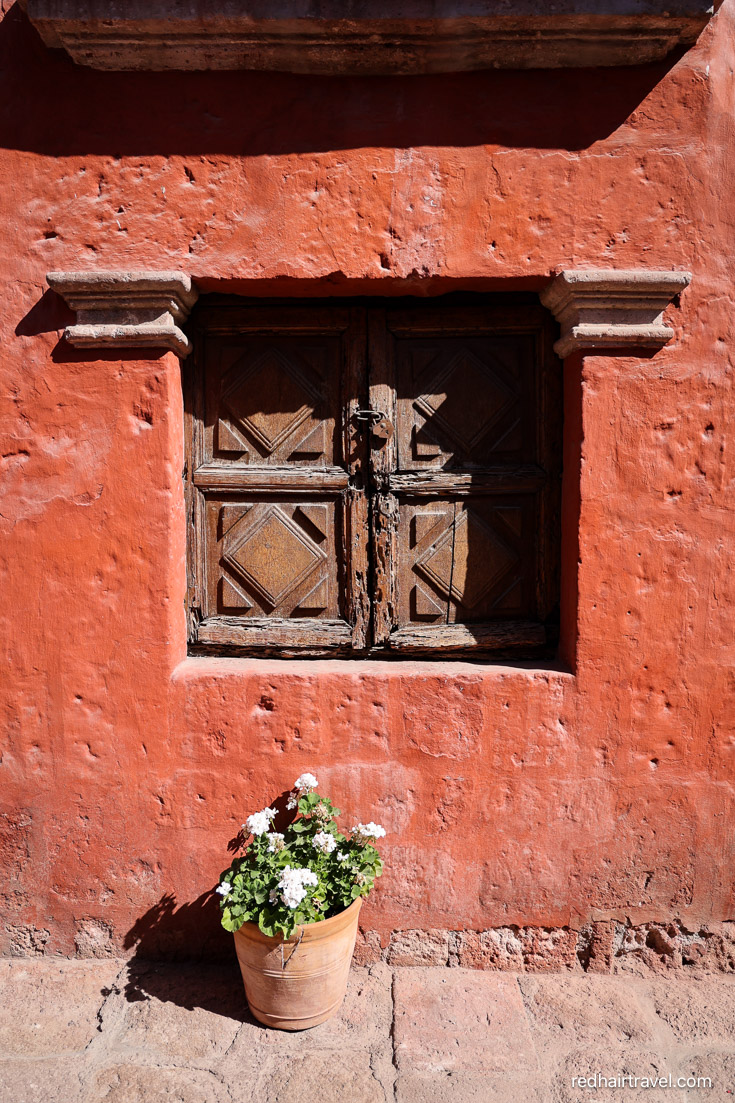
The first place that tourists visit in Arequipa is the Santa Catalina Monastery. The complex of about 20,000 square meters occupies an entire block. It was founded in the 16th century by a wealthy widow, Doña Maria de Guzmán, and is considered one of the most impressive religious buildings in Peru.
Arequipa is considered the culinary capital of Peru. Here you can taste dishes whose recipes have remained practically unchanged for centuries. The main feature of the local cuisine is the use of hot rocoto peppers, corn, potatoes, meat and fresh cheeses. Try: rocoto relleno (meat stuffed peppers), adobo arequipeño (pork stew) and queso helado (dessert made of milk, coconut, cinnamon and vanilla).
Arequipa is one of the best places in Peru to shop for high quality alpaca and vicuña products. Be sure to check out the Mundo Alpaca store. Not only do they sell beautiful items there, but there is a mini zoo with alpacas.
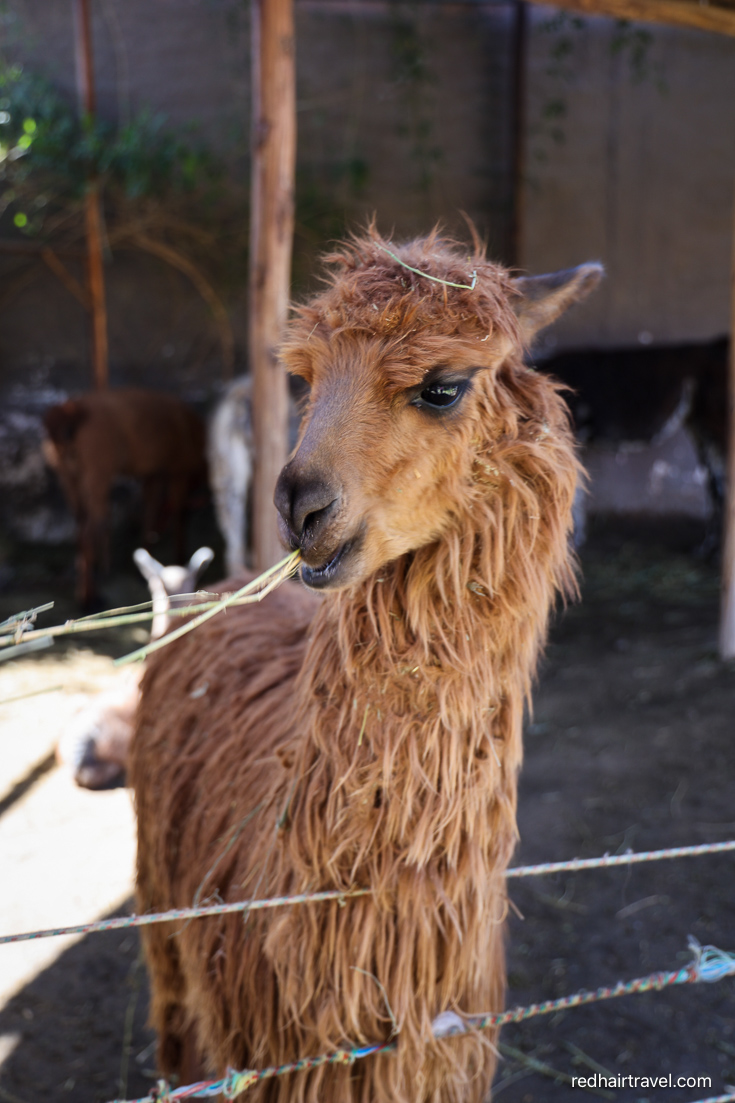
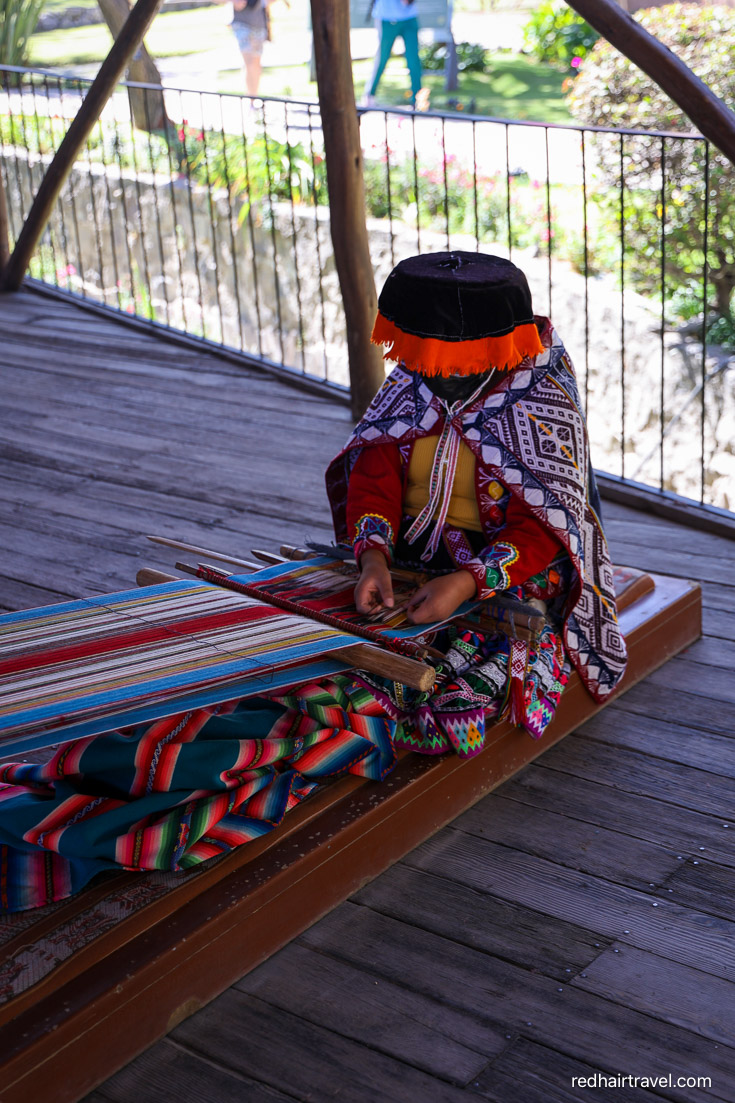
The city is surrounded by three volcanoes ranging in height from 5,700 to 6,000 meters. For a better view of the surrounding area, climb up to the Yanahuara Scenic Overlook.
Another interesting place in Arequipa is the Recoleta Monastery and Museum. It was founded in 1648 by Franciscan monks. It has a rich collection of religious art and pre-Columbian artifacts. And the local library houses more than 20,000 ancient books and maps.
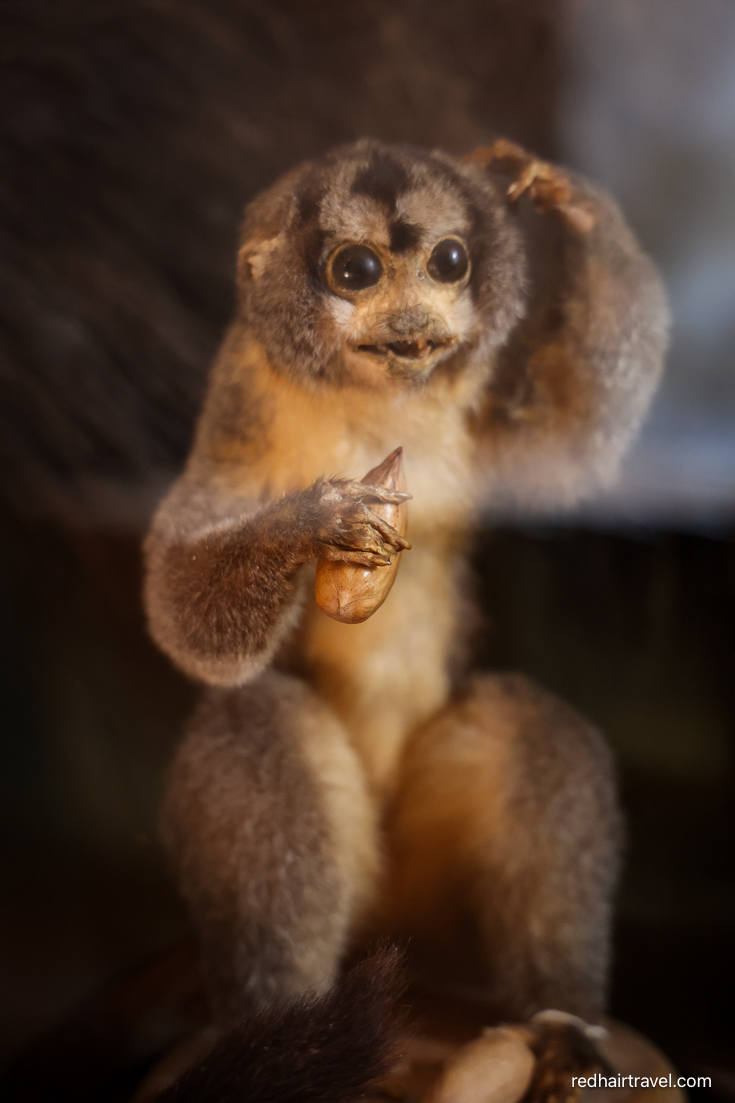
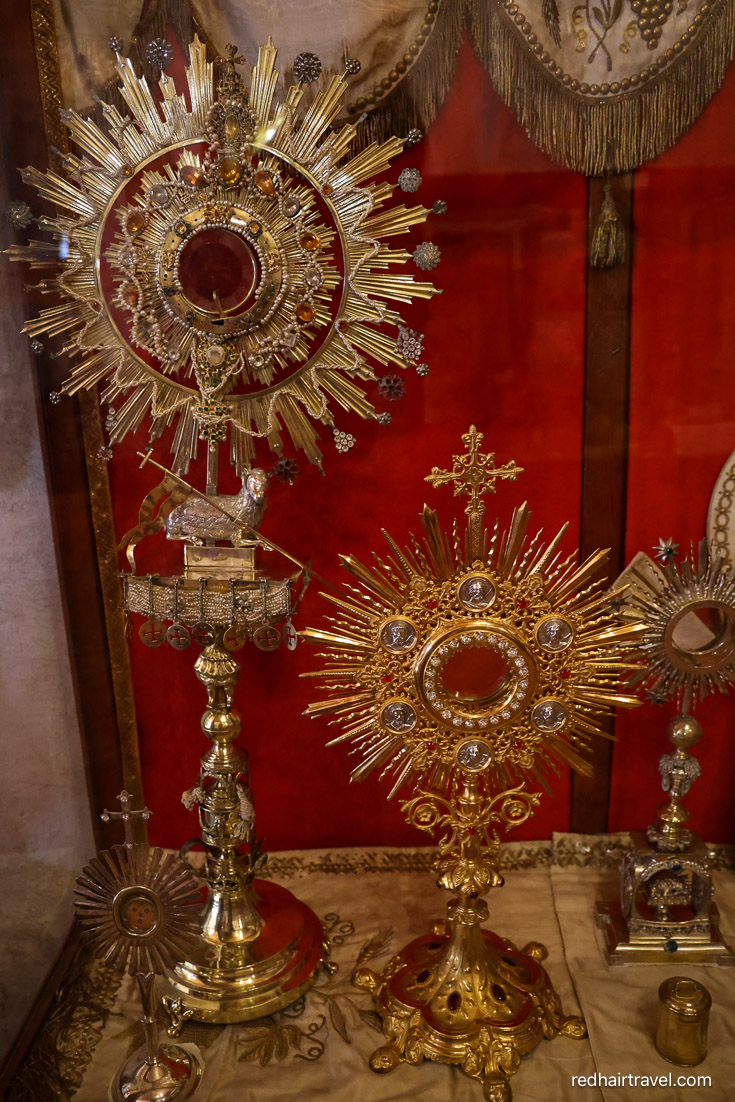
Arequipa is also the starting point for a visit to Colca Canyon.
Where to stay in Arequipa
- CIRQA – Relais & Châteaux is one of the most beautiful hotels in Arequipa, with only 11 rooms.
- Katari Hotel at Plaza de Armas is a great hotel in the center, view from the terrace.
- Palla Boutique Hotel – great price/quality, service, rooftop breakfast with a view and wine cellar.
- San Agustin Posada del Monasterio is an inexpensive historic hotel in the center of town, rooms for large families.
- Las Torres De Ugarte is an inexpensive great hotel near the Santa Catalina Monastery.
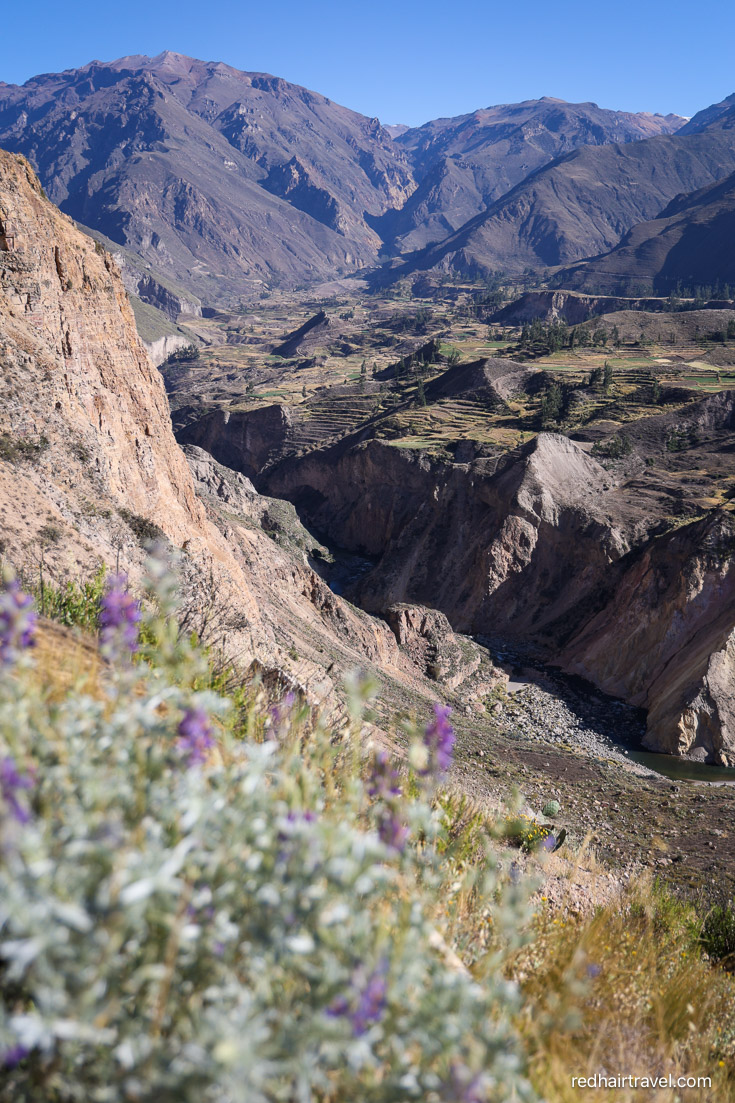
Colca Canyon.
Colca Canyon is one of the most impressive natural sites in Peru and one of the deepest canyons in the world. Its maximum depth reaches about 3,200 meters, which is almost twice as deep as the famous Grand Canyon in the United States.
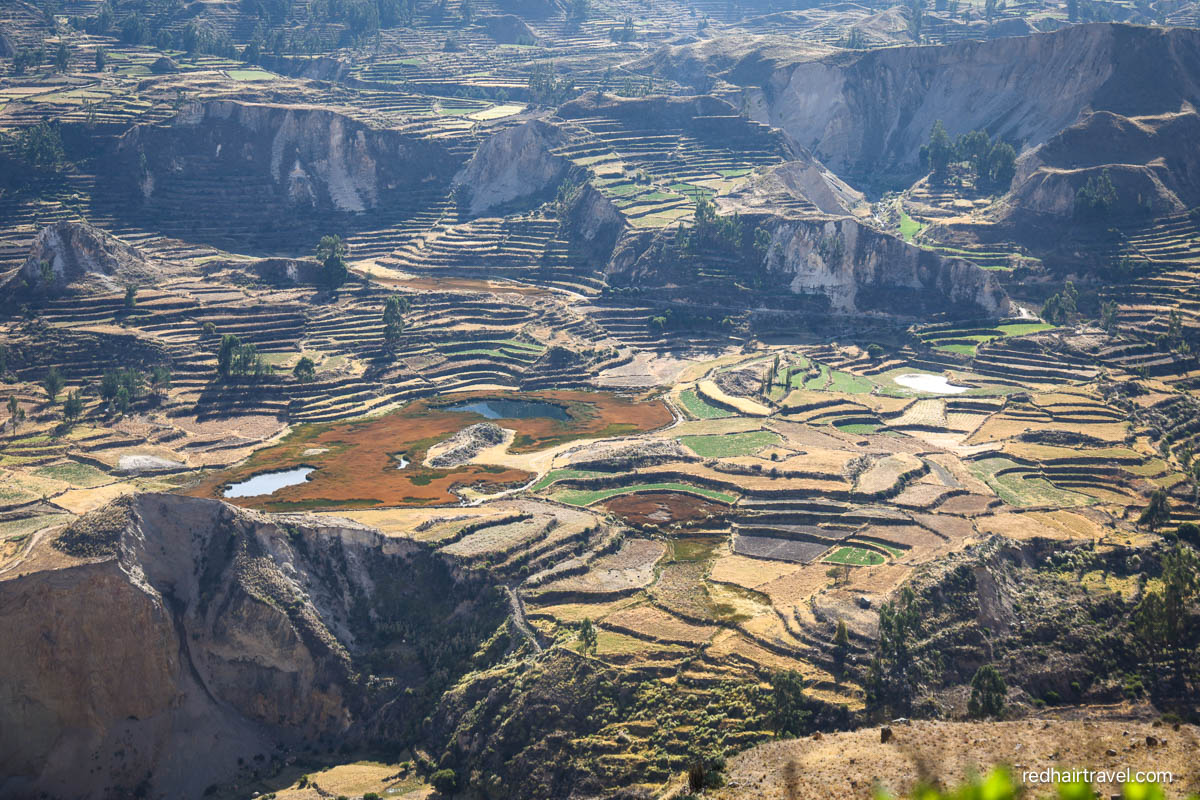
Colca has been inhabited by people for centuries. The canyon slopes are covered with terraces built like giant staircases. Many of them date back to Inca times and are still used by local farmers to grow potatoes, barley, beans and quinoa.
Another legendary attraction of the canyon is the Andean condors. They are the largest flying birds in the world. Their wingspan can reach up to three meters. Here they fly right over your head. Cruz del Cóndor is an observation point where you can take beautiful photos and walk around.
Besides its lookout points, Colca Canyon is home to many small traditional villages, such as Chivay, where you can stay overnight, try the local cuisine, and visit natural hot springs. Colca Canyon is also popular for multi-day hikes. Be sure to go with a group and bring altitude sickness medication with you.
If you’re short on time, it’s convenient to see the canyon in one day with an official tour from Arequipa. They usually start at 3 or 4 in the morning.
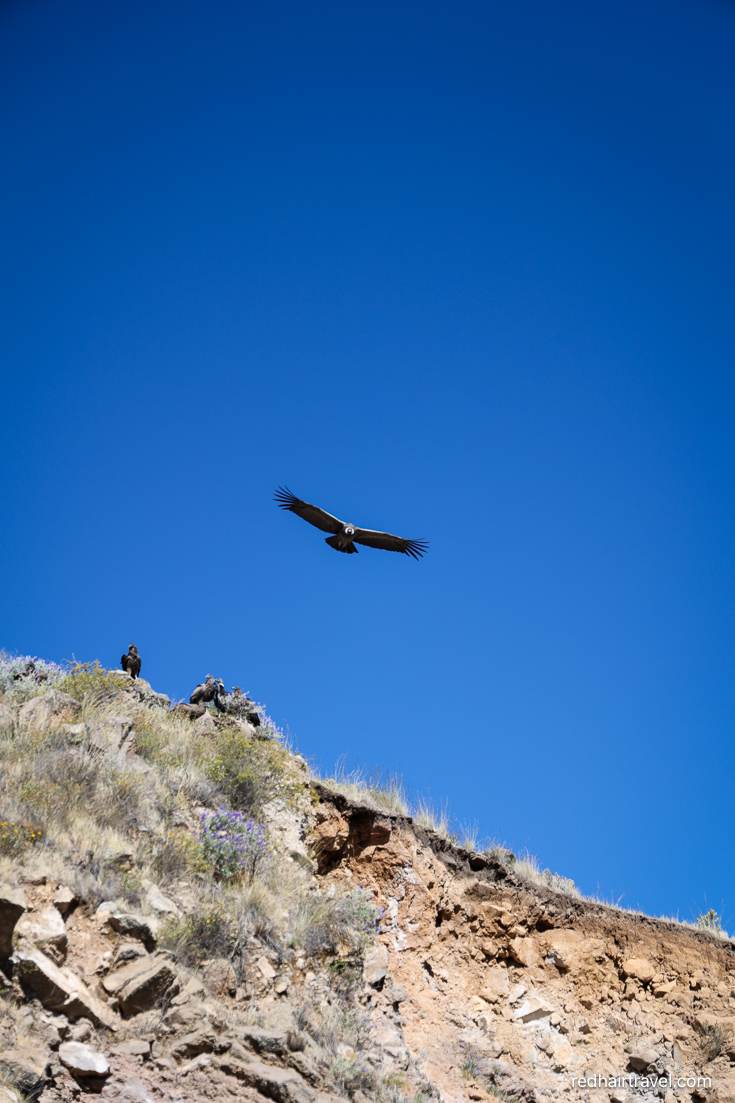
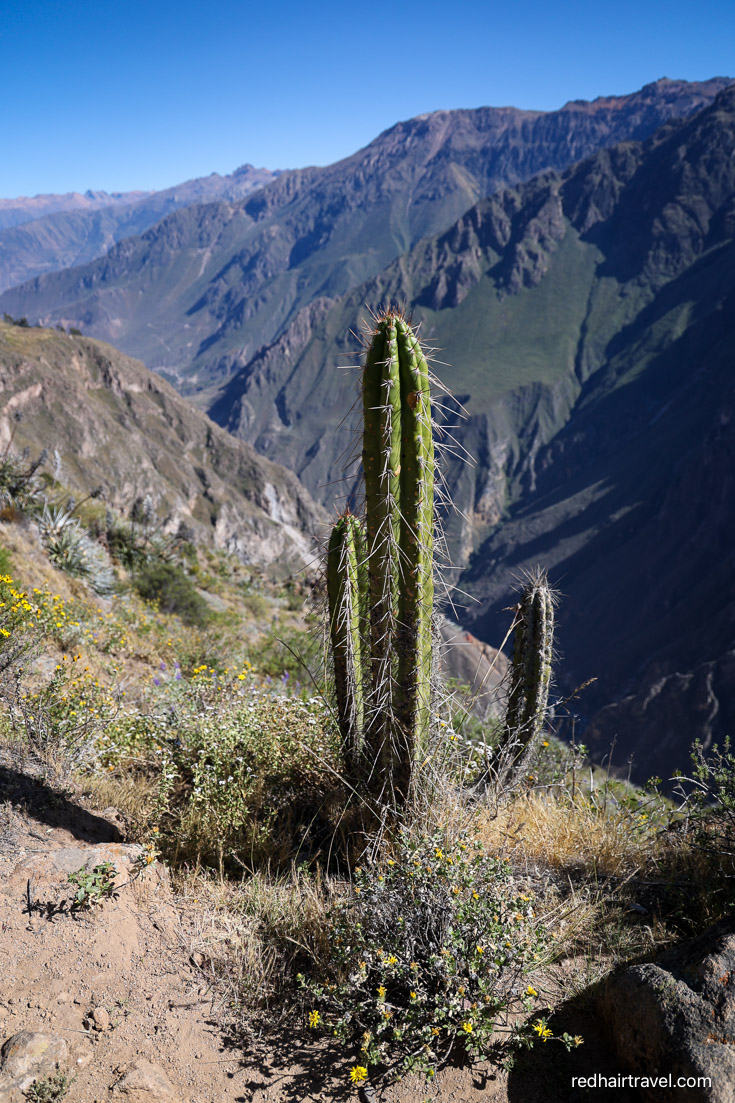
Nazca Lines
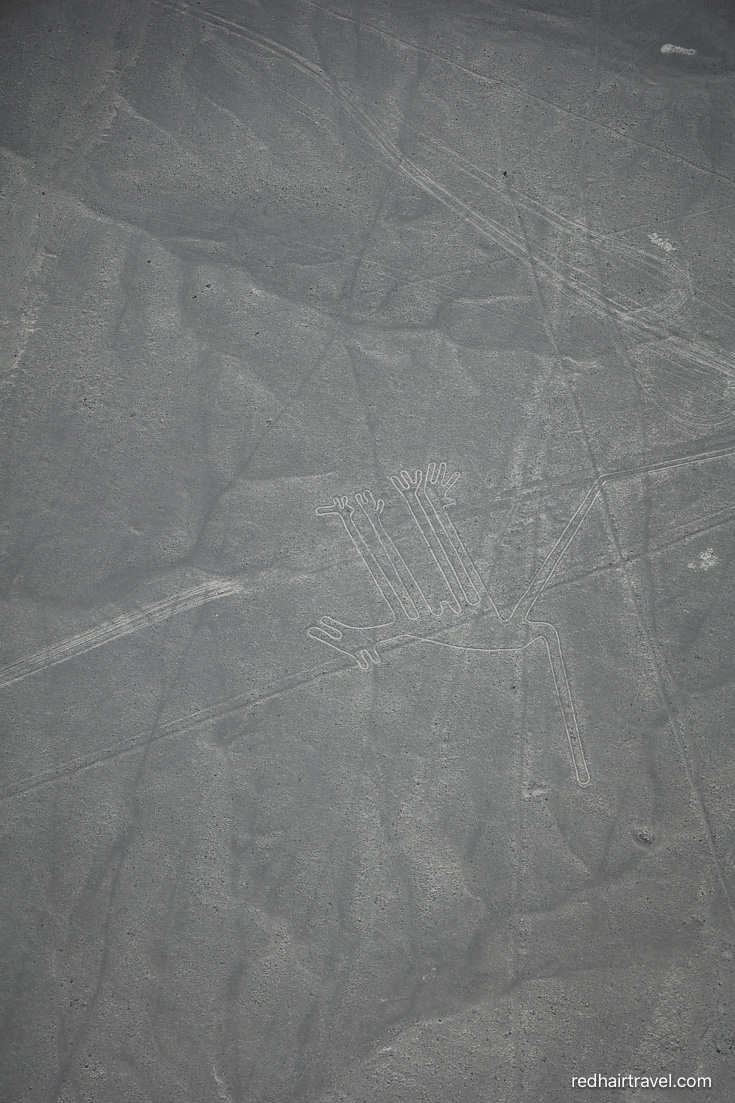
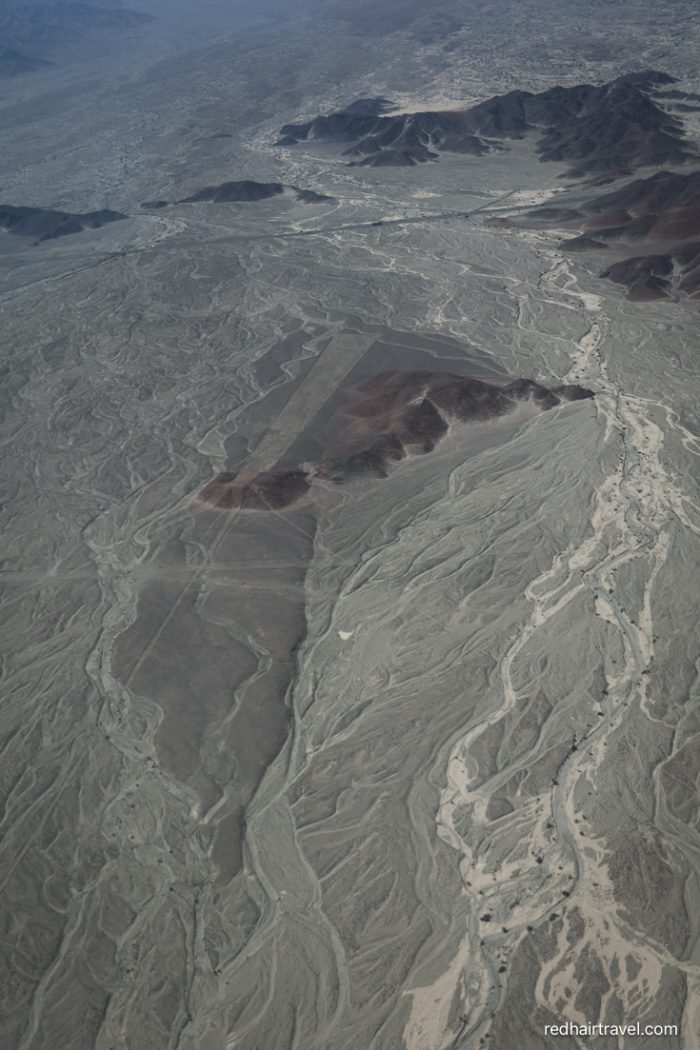
There are many mysterious places on our planet. In Peru, one of them is the Nazca Lines, a UNESCO World Heritage Site. Science still does not know exactly why or how local people created these geoglyphs more than two thousand years ago. The only way to truly see them is from above, from the cabin of a small aircraft.
Tours depart quite frequently. On arrival at the airport, all visitors must pay an additional tax and an entrance fee for the Nazca Plateau, so it is best to have cash ready in advance. The small aircraft usually carries six passengers and two pilots. The flight lasts about 30 to 35 minutes.
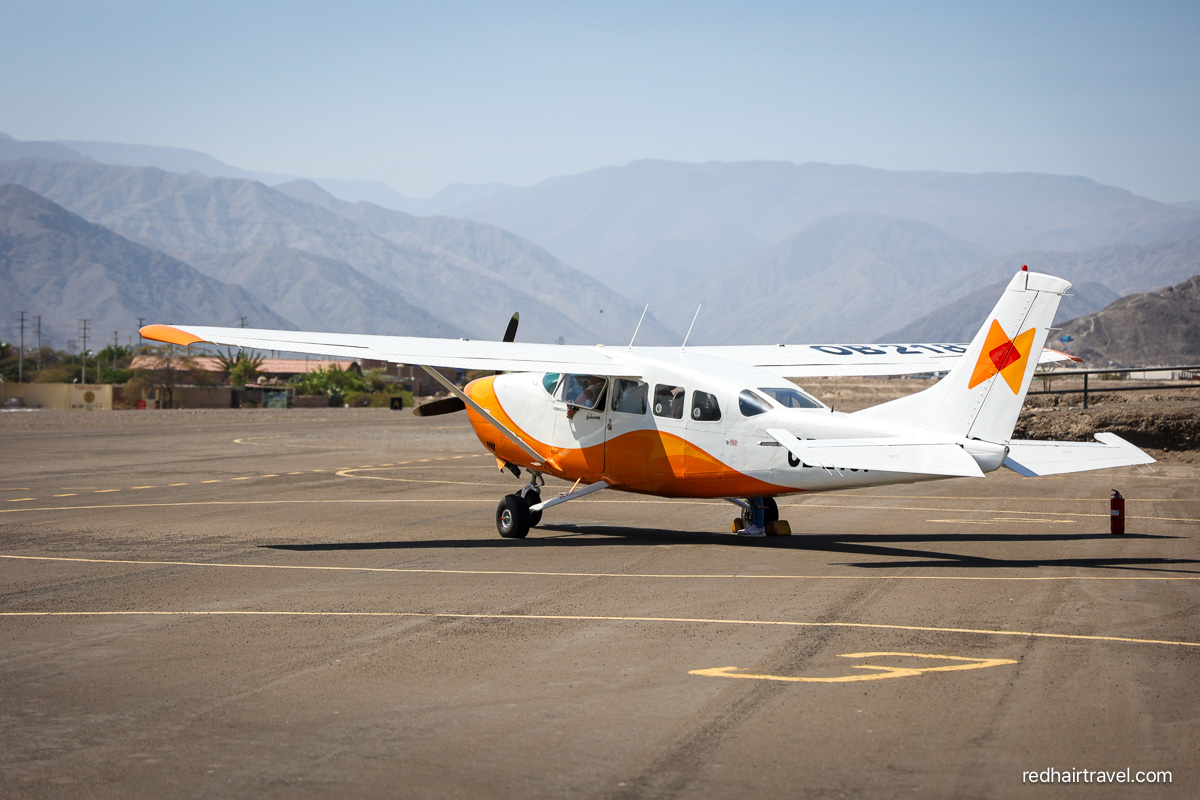
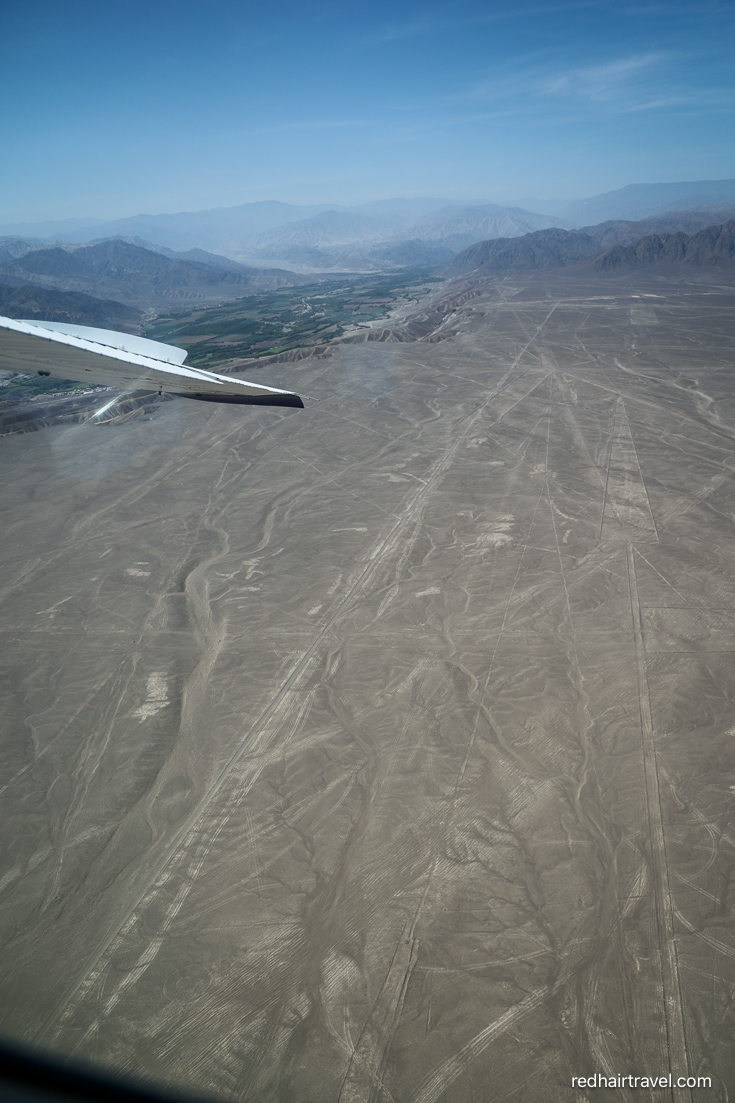
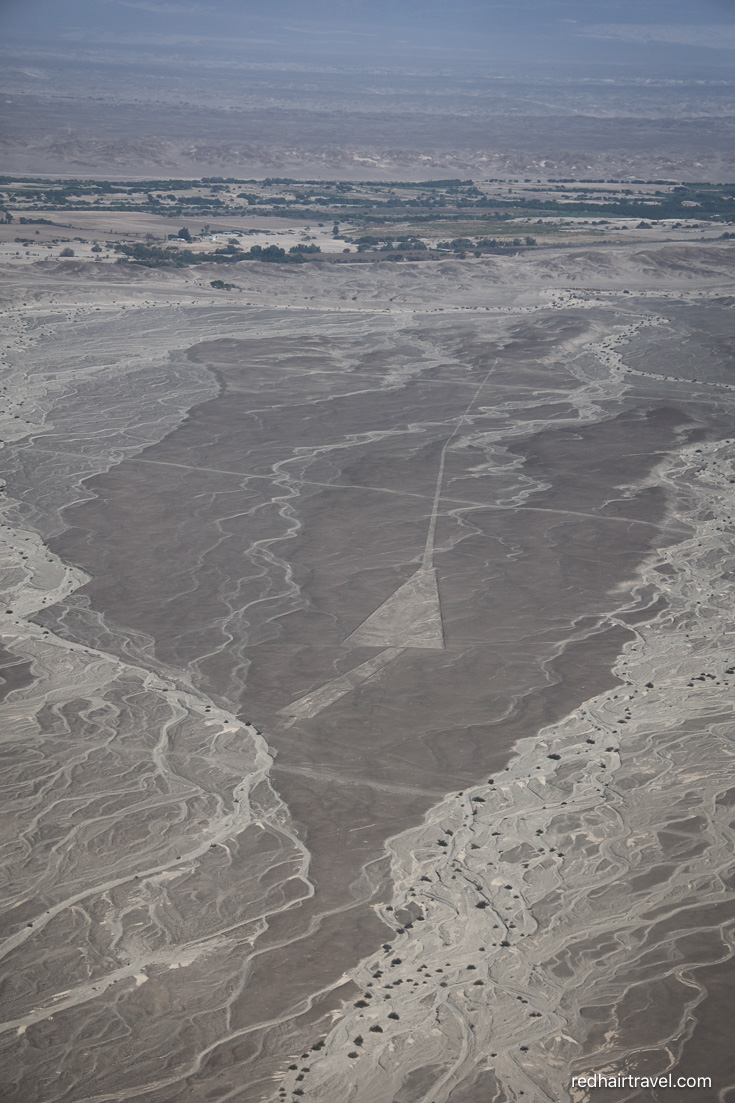
The Nazca Plateau looks absolutely incredible: a vast, flat grey plain crossed by perfectly straight lines, triangles, and giant animal figures. The scale is hard to grasp, but some of the drawings reach up to 300 metres in length. There is even a theory that the Nazca Lines were created by aliens as landing strips. When you see them from above, the idea feels surprisingly believable.
It is better to book your tour in advance: here, here or here.
Puno and Lake Titicaca
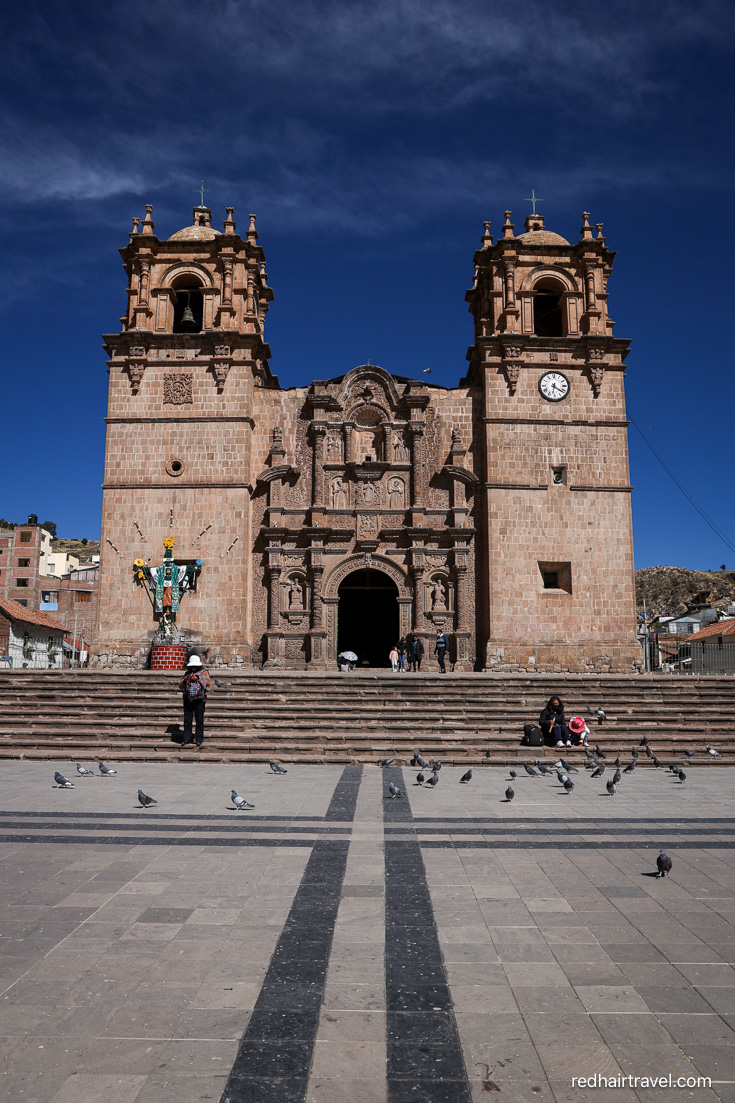
The charming city of Puno is located in southeastern Peru, on the shores of Lake Titicaca, at an altitude of 3,826 metres above sea level. Lake Titicaca is the largest lake in South America and the highest navigable lake in the world. But the most fascinating thing here is the people.
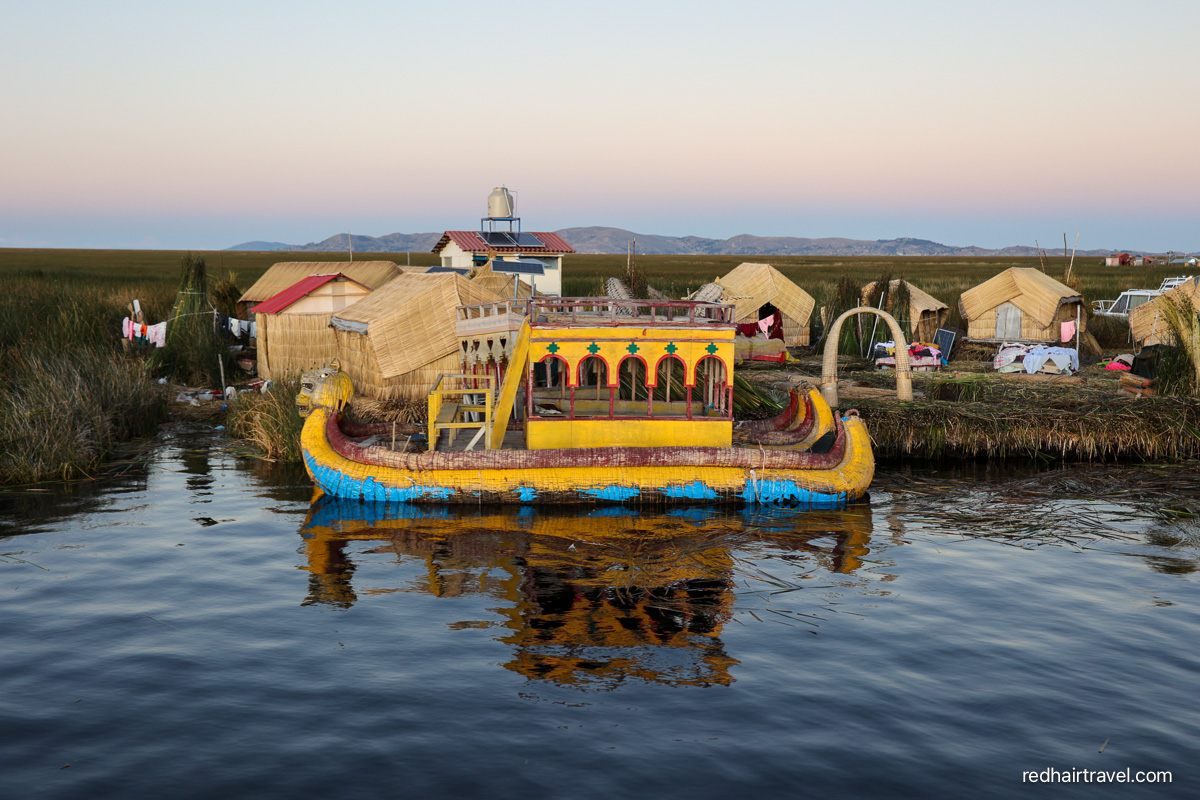
Many centuries ago, the Uros people built artificial floating islands on the lake and still live on them today. They create their floating homes by layering totora reeds and roots one on top of another. This water-resistant plant grows in the lake and is also used to make boats, houses, roofs, mattresses, and many other everyday items. Today, travellers can visit the Uros as part of a 3-hour tour (or for a full day) and even spend the night on the island! There are over one hundred islands in total, with about 1,200 people living on them.
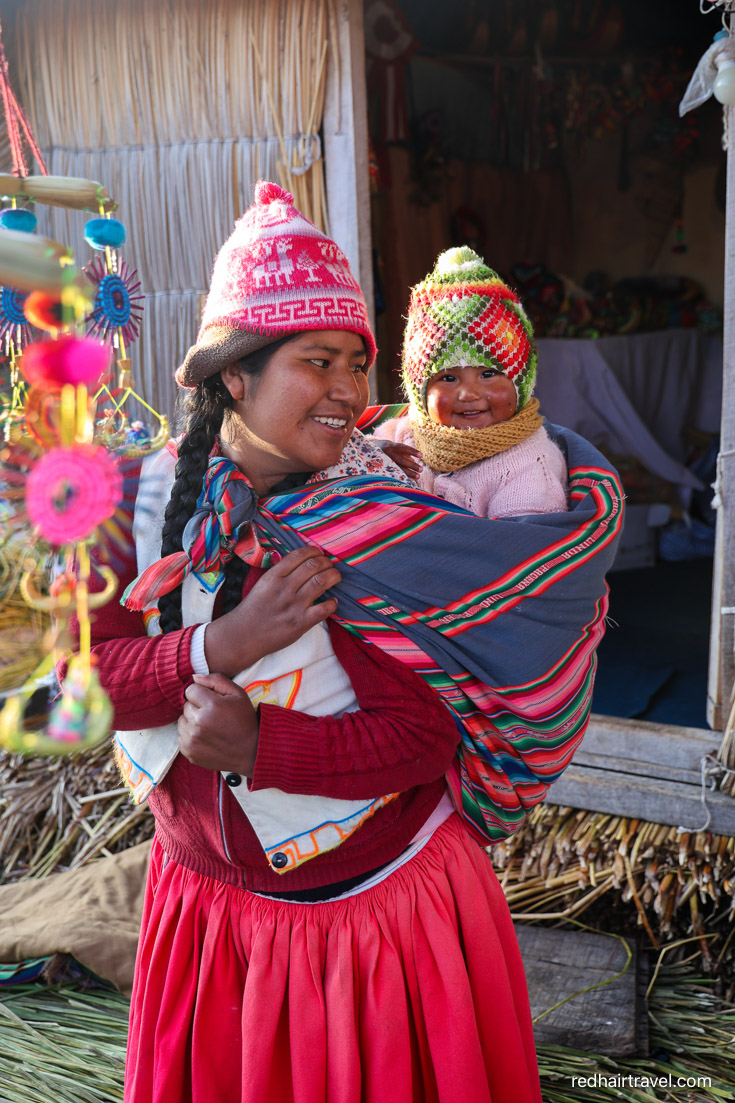
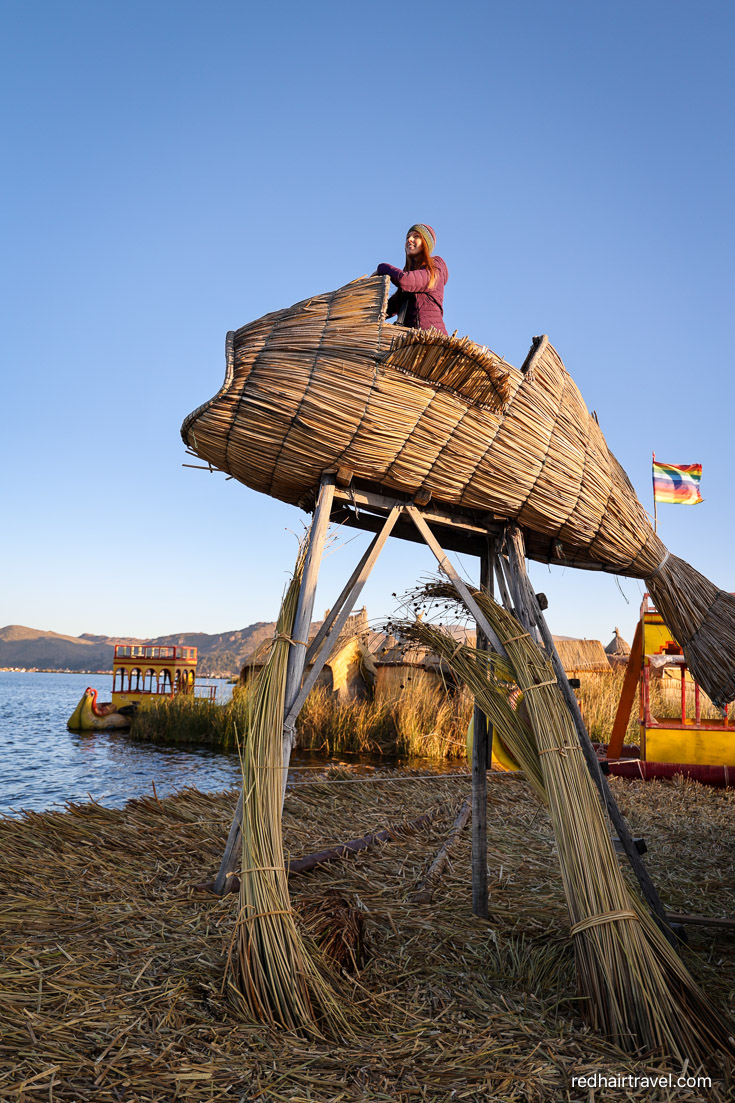
Traditionally, the Uros people lived by fishing and hunting birds, but today tourism also plays a major role in their lives. Thanks to this, some modern comforts have appeared on the islands, including improved sanitation and solar panels. Most residents use mobile phones and televisions. There is also a kindergarten and a primary school on the islands for children from local families.
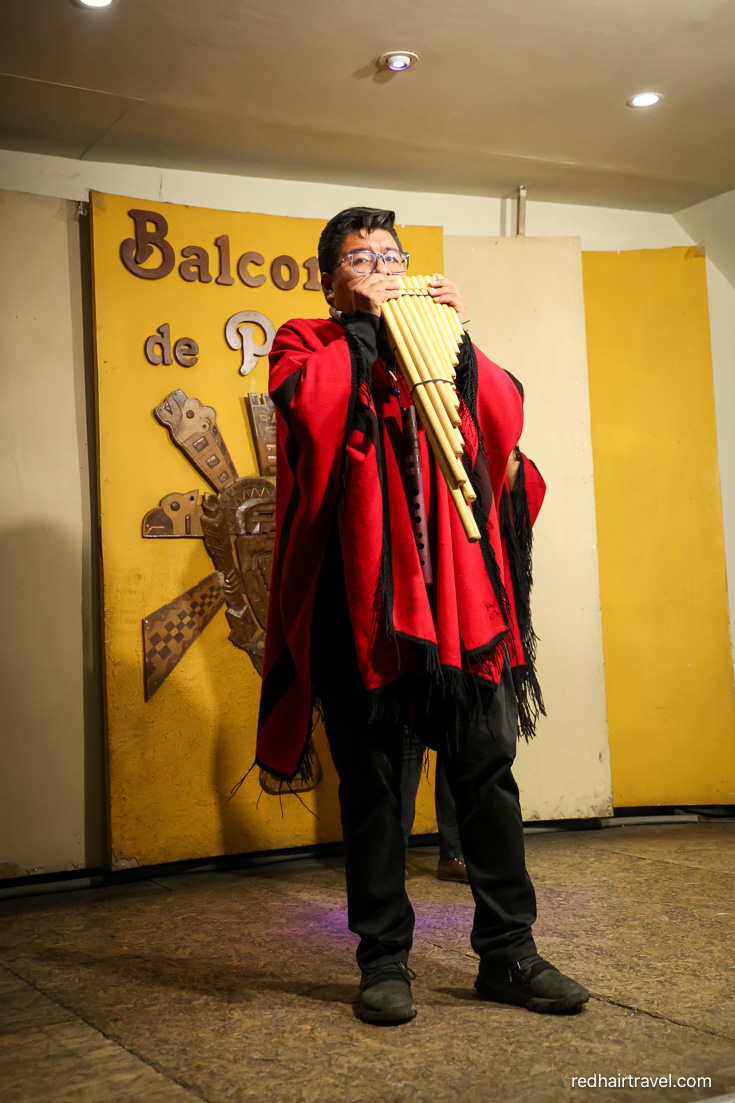
In the evening, I recommend going to a traditional show at the Balcones de Puno restaurant. Dancing in beautiful costumes, Peruvian music on traditional instruments and delicious food. It is better to book a table in advance at the hotel.
From Puno, many travelers continue their journey to Bolivia.
READ ALSO: Uyuni salt marsh, Lagoons and Flamingos – 3 day tour of Bolivia
Where to stay in Puno
- Uros Samaraña Uta Lodge – on the island, all inclusive.
- Titicaca Aruntawi Lodge Peru – on an island, just a little further from Puno.
- Uros Lodge Perú – on the island, beautiful views, delicious food.
- Uros Quechua`s Lodge Titicaca – on the island, price/quality.
- Tierra Viva Puno Plaza is a great hotel in the center of Puno.
- Hotel Hacienda Plaza de Armas is an inexpensive hotel in Puno’s main square.
- GHL Hotel Lago Titicaca is a 5-star hotel with a gorgeous view of Lake Titicaca.
Lima
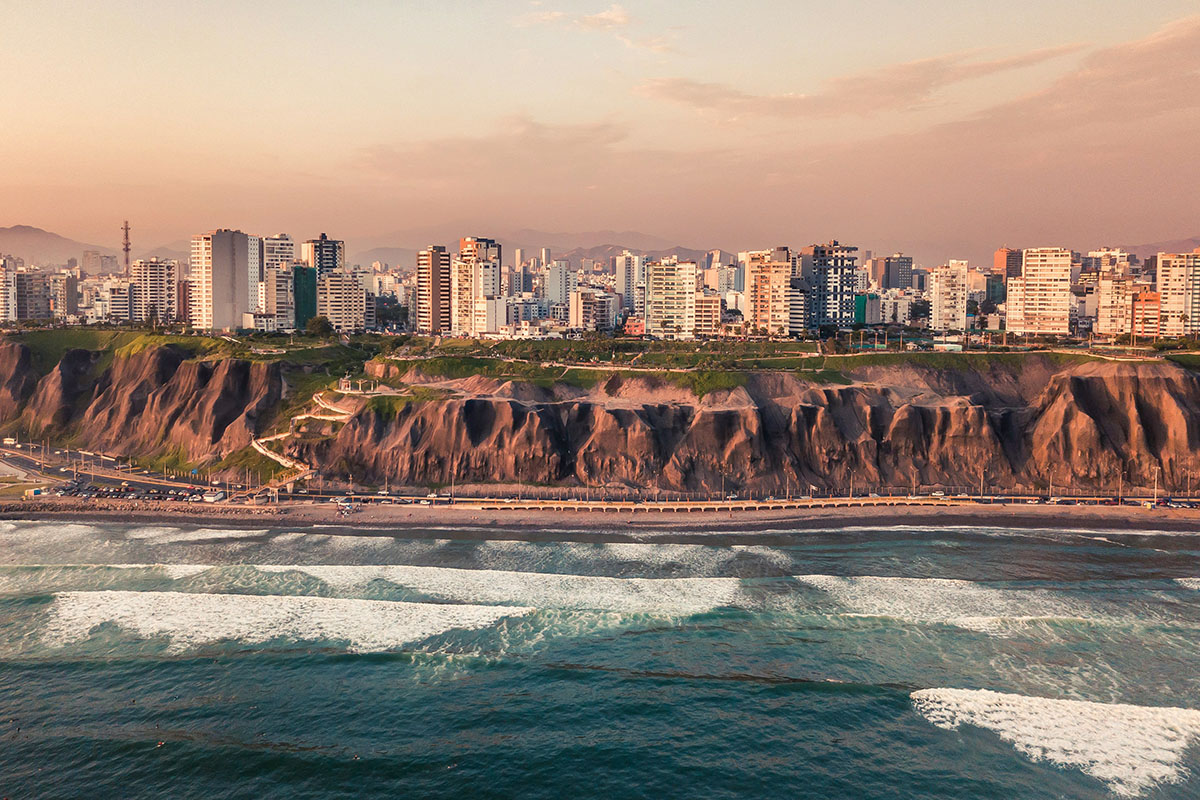
Lima is the largest city in Peru and one of the most unusual capitals in South America. The city sits on the Pacific coast and is also the second-largest city built in a desert, after Cairo. It combines colonial architecture, ancient archaeological sites, and one of the best culinary scenes in the world. It is also home to the oldest university in the Americas – the National University of San Marcos, founded in 1551.
If you ask locals what to do in Lima for 2-3 days, most will say: food, ocean, history.
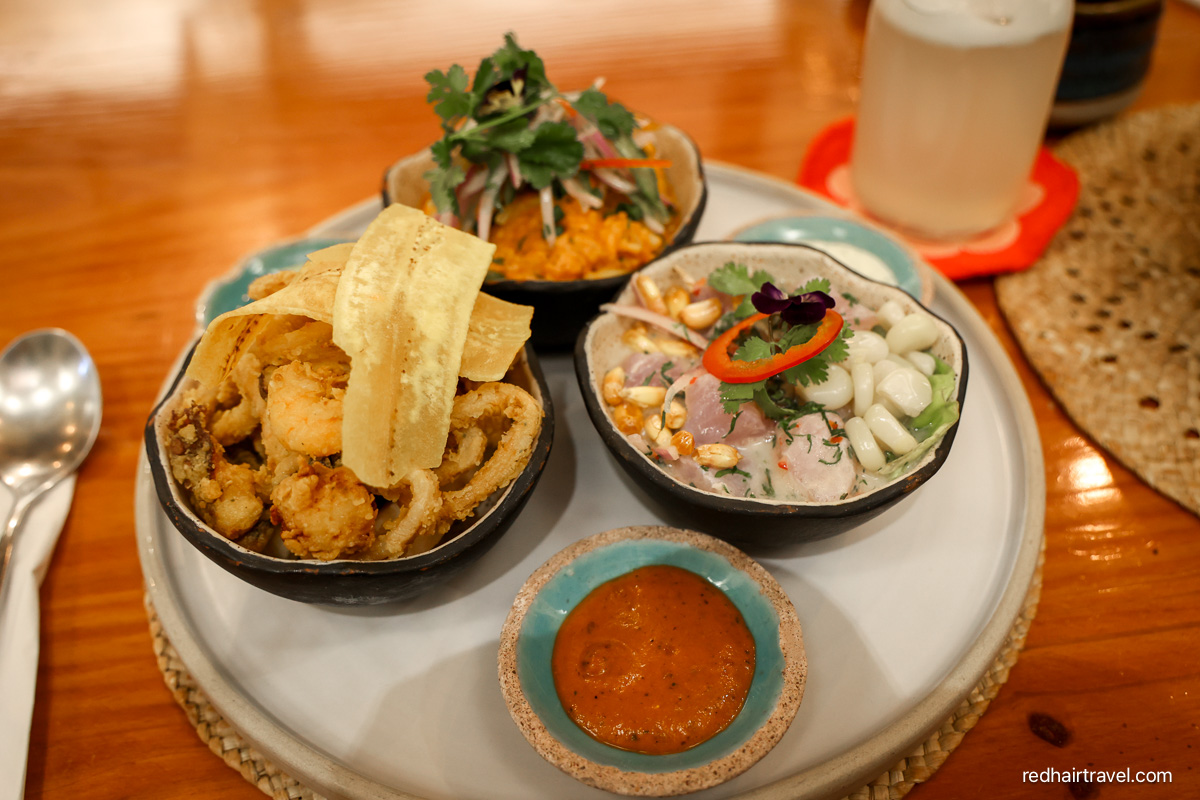
Lima does not have any Michelin-starred restaurants yet (Michelin simply has not made its way to South America). Still, the city regularly appears in global rankings of top culinary capitals. The local cuisine has been deeply shaped by a mix of Indigenous (Inca), Spanish, African, Chinese, Japanese, and Italian influences, as well as by the incredible variety of fresh ingredients from the Pacific coast, the Andes, and the Amazon. You can find as many as 4,000 varieties of potatoes here alone. Be sure to try ceviche (raw fish in a lime marinade), lomo saltado (stir-fried beef with vegetables), anticuchos (grilled beef heart skewers), picarones (sweet potato doughnuts), and the drink pisco sour (a cocktail made with pisco, lime, syrup, egg white, and bitters).
Plaza Mayor is for lovers of the colonial era. It was here that Spanish conquistador Francisco Pizarro founded the city in 1535. Around the square are some of the most important buildings in the capital: The Cathedral, the Presidential Palace and Lima City Hall. Plaza Mayor (or Plaza de Armas) is part of Lima’s historic center, which is a UNESCO World Heritage Site.
Barranco is the city’s most atmospheric neighbourhood: street art, old mansions, cafes, galleries and the famous Puente de los Suspiros bridge.
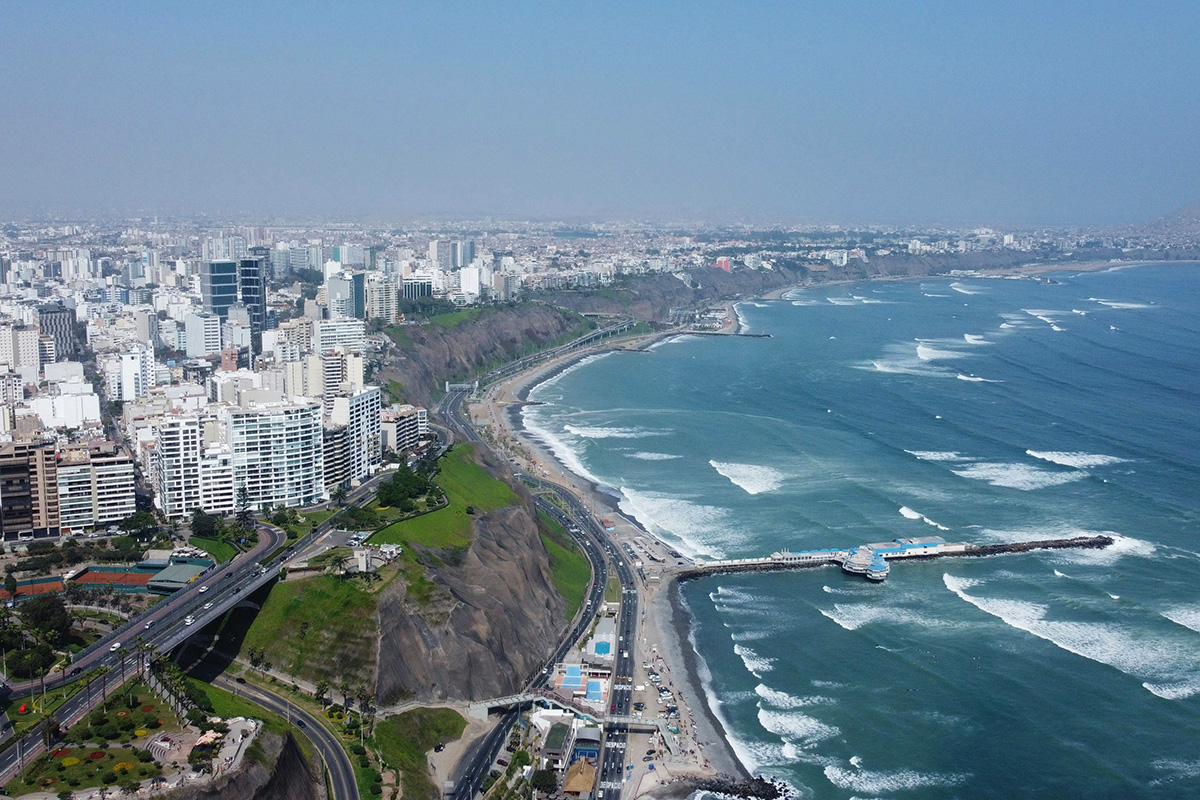
Miraflores is one of the most beautiful districts in Lima. Perched on high cliffs above the Pacific Ocean, it is perfect for romantic walks, sunsets, and long meals at restaurants with a view. Most travellers choose to stay here. Miraflores is also home to Huaca Pucllana, an ancient pyramid built around 200 to 700 AD.
Where to stay in Lima
- Miraflores Park, A Belmond Hotel is a luxury hotel with a view in Milaflores.
- JW Marriott Hotel Lima is a chic hotel on the Milaflores coast.
- The Westin Lima Hotel & Convention Center is a modern hotel in the financial district with panoramic views of Lima, spa and pool.
- SOUMA Hotel, Vignette Collection – stylish hotel with rooftop pool, location.
- Country Club Lima Hotel is a hotel in a historic building in the diplomatic district, next to the golf club.
- Hilton Garden Inn Lima Miraflores is a great hotel in Milaflores for those who appreciate quality.
- Lima Wari Hotel Boutique is an affordable colonial-style hotel.
- Miraflores Colón Hotel – great price/quality, good location.
- Habitat Hotel is a great business hotel in Miraflores, delicious breakfast.
- Arawi Miraflores Prime is a clean budget hotel in Miraflores.
- Kokopelli Hostel Barranco is a rated hostel in a beautiful building in the Barranco neighborhood.