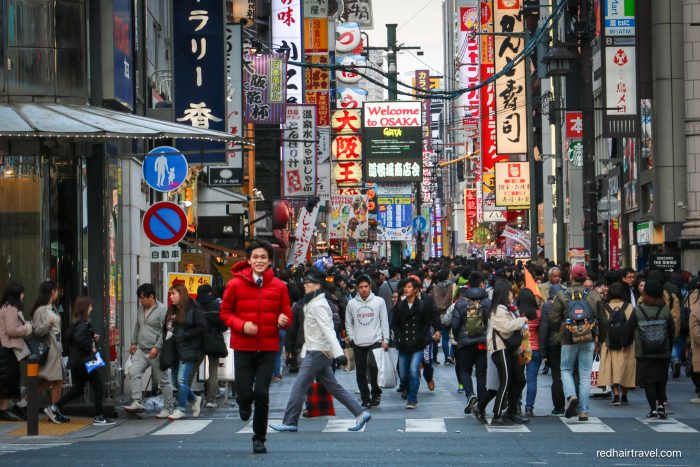
Tokyo is the capital of Japan and the most populous metropolis in the world. Tokyo is enormous! And if you want to fit it into a few days, you need a plan. Even if it’s just shopping or a relaxed stroll through the city. Below are some ideas for your trip.
Where to Stay in Tokyo
Tokyo Station/Marunouchi area – convenient for travelers planning day trips from Tokyo around the region (all trains arrive at Tokyo Station, it is also the first and last stop of the Narita Express to/from the airport).
Akasaka – quieter, convenient to get to all interesting places in the city, cheaper than the area near Tokyo Station (I love staying here).
Asakusa/Ueno: one of the most popular areas for tourists to stay. You can find cheaper options here, but you’ll travel longer to get to interesting places.
- APA Hotel Asakusa Kaminarimon Minami
- The Gate Hotel Kaminarimon by Hulic
- Sotetsu Fresa Inn Ueno-Okachimachi
- Super Hotel Ueno-Okachimachi
Avoid: Shinjuku’s Kabukicho district (nightclubs, red light district), Akihabara (noisy).
For more interesting hotels in Tokyo and Kyoto, check out my travel guide.
READ ALSO: 10 places in Kyoto every traveler should see
Must-Visit in Tokyo
1. Immerse Yourself in the Art of TeamLab Galleries
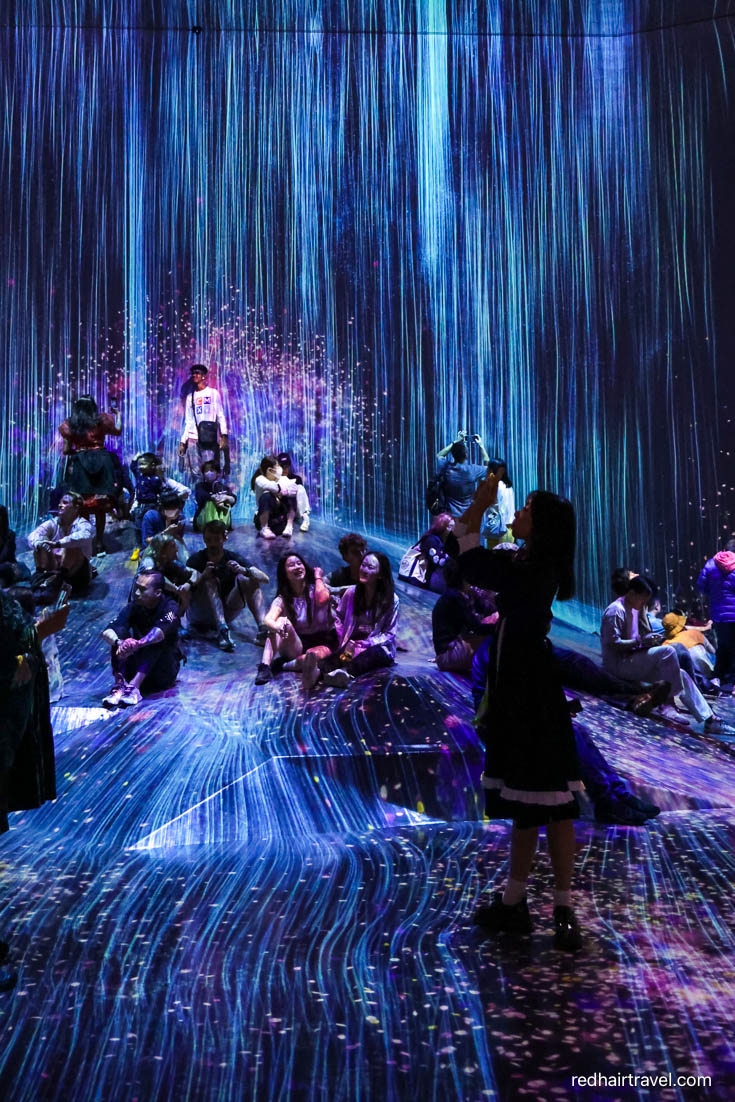
Одно из must visit Токио – интерактивная галерея Teamlab. И это тот случай, когда хайп того стоит. В 2001 году группа художников, программистов, инженеров, аниматоров, математиков и других талантливых людей создали арт, в который можно погрузиться всеми чувствами. Билеты покупайте заранее и выделите достаточно времени на поход – не менее 2х часов (2.5-3 часа)
Желающих попасть в галерею Teamlab Planets за последние годы стало так много, что в Токио в 2024г открыли вторую – Borderless. В Planets надо разуваться, некоторые комнаты находятся в воде (и даже по колено). В Borderless залы идут непоследовательно, некоторые комнаты сложно найти, разуваться не надо. Галерея находится в Azabudai Hills – современный комплекс с кучей всего интересного (а-ля город в городе). Мне больше понравилось в Borderless, в Planets мешал запах хлорки. Но если у вас будет возможность – советую посетить обе.
Если вдруг в Токио у вас не будет времени, в конце 2025 в Киото открыли самую большую TeamLab – Biovortex.


2. Crossings, Viewpoints and Boutiques of Shibuya
Shibuya is one of Tokyo’s signature districts. You can easily spend an entire day here without noticing the time fly by. By daylight and under neon, Shibuya feels like two different worlds – try to come both in the morning and in the evening.
Cross the famous Shibuya Crossing and pet the statue of the famous loyal dog Hachiko.
Поднимитесь на Shibuya Sky – отличную смотровую с панорамой Токио. Имеет смысл сюда идти в первые дни поездки и оценить масштаб. Билет покупайте заранее (за месяц). У туристов популярно приезжать на закат, я рекомендую утро и день, когда меньше людей и лучше видимость. Если вам не удалось достать билет на Shibuya Sky, зайдите в Mag’s park rooftop (отсюда вид на перекресток еще лучше). Для прохода надо купить напиток. Бесплатная версия смотровой на перекресток – в Hikarie, с 11 этажа “sky lobby”.
There’s a lot of food and shopping centers in the Shibuya area. Shopping – in Shibuya Loft, Shibuya Parco, Shibuya 109, Tower Records. A restaurant where you are served by robots – Pepper Parlor. A cool modern space in Miyashita Park (bouldering, food trucks) – in the evening, a “drinking line” also opens here. Nonbei Yokocho – an alley with authentic restaurants.


3. Ask the cats at Gotokuji Temple for some luck
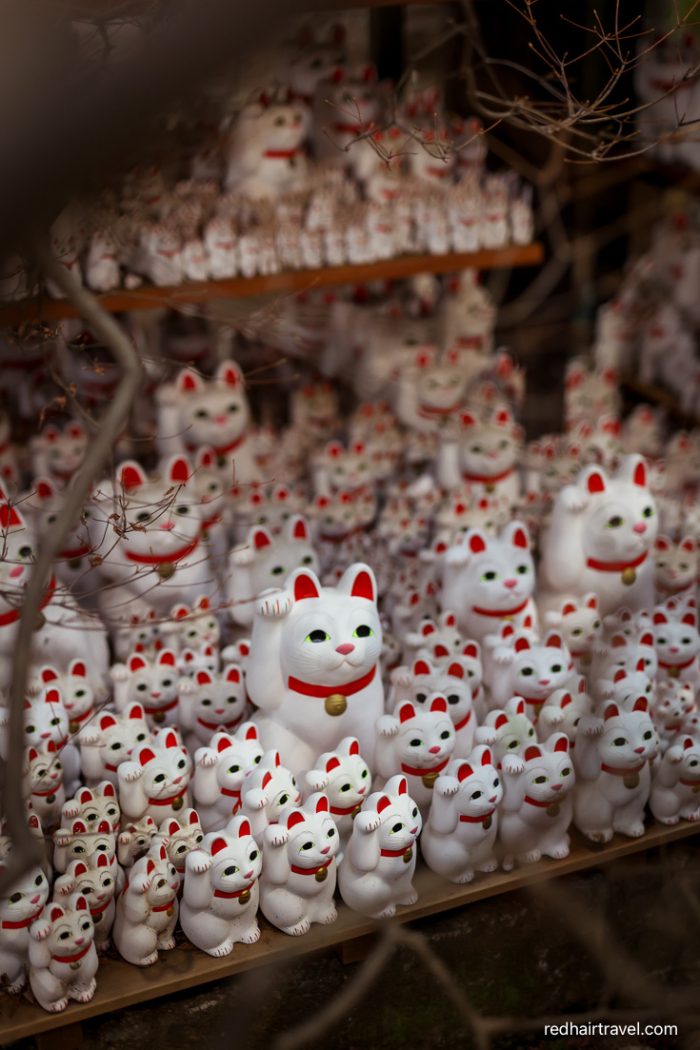
Gotokuji is one of Japan’s most unusual temples. They say this is where the famous maneki-neko – beckoning cat figurines that bring good luck – originated.
According to legend, in the 17th century a monk lived in a half-ruined temple here. A brave samurai was passing by when a storm broke out, and he took shelter under a nearby tree. He noticed a cat sitting by the gate, beckoning him inside with its paw. The moment the samurai stepped away from the tree and took refuge in the humble dwelling, lightning struck the tree and shattered it. From then on, the samurai became the temple’s patron: he repaired the old buildings and built new ones, including one in memory of the cat (some say the goddess Kannon took feline form and saved him). Since then, many people have visited the temple to pray for family well-being, business prosperity, good luck, and happiness.
If you walk from the station – there’s an excellent coffee shop Iron Coffee. You can also take the “lucky cat” train, decorated in the style of maneki-neko.
By the way, if you’re buying a souvenir, pay attention to the paws. A cat with its right paw raised brings luck and money. With the left paw raised, it attracts clients and people.
PS/ A 30-minute walk from Gotokuji Temple, there’s a cool cafe called Shiro-Hige’s Cream Puff Factory, where they make adorable, airy, delicious Totoro (Ghibli fans). Come when it opens, the dessert is sold out instantly.

4. Architectural Tour of Omotesando
Omotesandō is one of Tokyo’s districts famous for its contemporary, creative architecture.
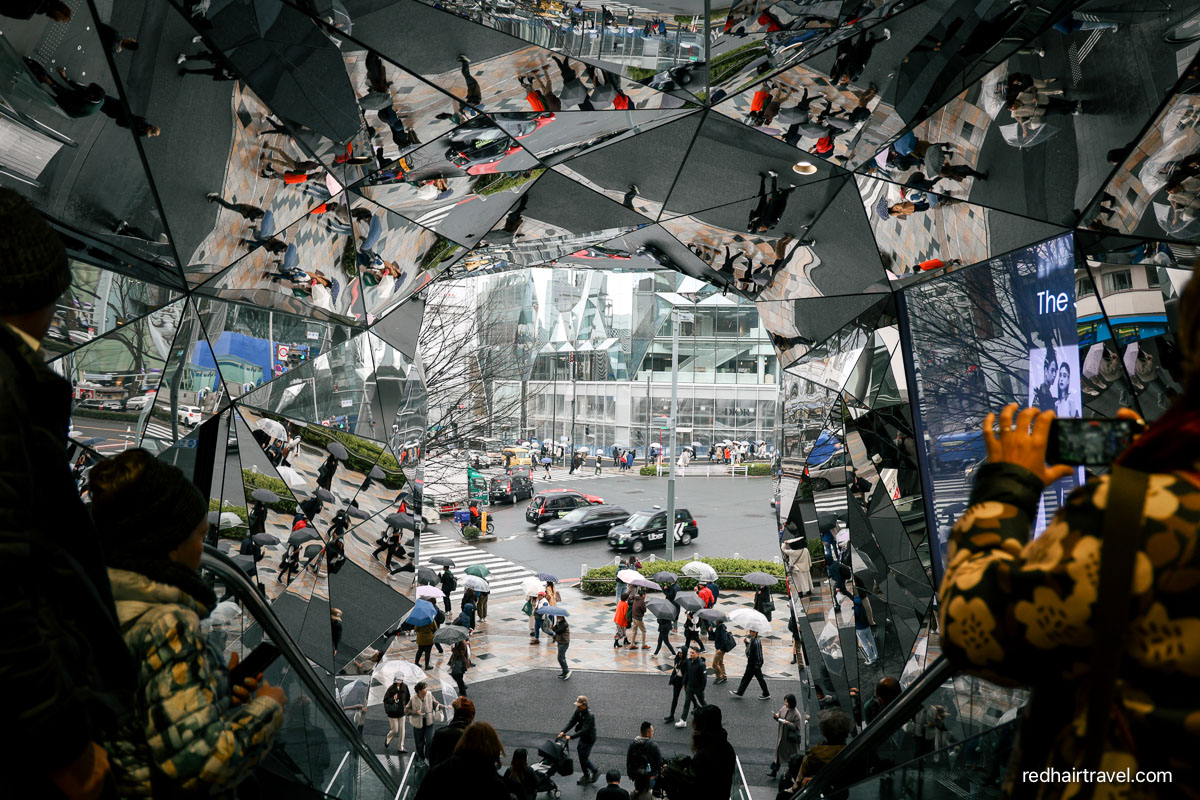
Tokyu Plaza Omotesando is a shopping center whose entrance is decorated with mirrors. Go up to the top floor to the Starbucks veranda (hidden gem viewpoint). Another spectacular building, the Tokyu Plaza Harajuku (Harakado) shopping center, can be seen from there. What else to see: GYRE (cool inexpensive cafe GYRE.FOOD), Tod’s Omotesando, Prada building, SunnyHills minamiaoyama, Nezu art museum.
Cat Street is a youthful street with interesting stores and a mini Candy Show Time candy factory.
5. Dive into Harajuku’s youth subcultures
Bustling Harajuku is famous for quirky shops, delicious crepes, and underground fashionistas. If you want a deeper dive into cosplay, kawaii, and Lolita style – this is the place. The ever-popular Takeshita Street is usually packed. Pop into Totti Candy Factory for a giant rainbow cotton candy; at ANAKUMA Cafe a bear paw will pass you a superb coffee through a hole in the wall (go at opening); and at CAFE REISSUE you can order coffee topped with 3D latte art. Don’t miss Minipig Cafe Harajuku.
If you want to take a break, nearby is the wonderful Yoyogi Park and the Meiji Shrine – the largest Shinto shrine in Tokyo. Traditional weddings are often held here.


6. Electronic Paradise and Maid Cafes
Akihabara is mind-blowing. It’s a district for fans of anime, manga, video games, and idol culture. You’ll find huge electronics stores and manga shops here, as well as those awful pachinko parlors – awful because people smoke inside and the machines drone endlessly.
Akihabara is also famous for its maid cafés – there are lots of them. Two of the most popular are @Home Cafe (no advance bookings) and Maidreamin (you can book online). Photos and videos are not allowed inside. Everything is pink and fluffy, and you’re served by a cute girl in a cosplay maid outfit. The menu is mostly desserts and drinks. For an extra fee, you can chat with a maid, take a photo, or even hold hands. Sometimes the girls sing and dance. Overall, it’s a bit strange—but I highly recommend it. You won’t see anything quite like it anywhere else.
- Shopping for anime lovers: Animate, Kotobukiya, Mandarake, and Lashinbang
- Shopping for gamers: Super Potato, Beep, Surugaya
- Electronics: BicCamera AKIBA Store, TSUKUMO eX.
Try your luck at one of the Handa Building or Hey (Hirose) play centers. Buy a toy from the capsule machines at Gachapon Hall.

7. Visit Your Favorite Anime Characters at the Ghibli Museum
The Ghibli Museum was designed by the famous director and founder of the studio, Hayao Miyazaki. Inside you’ll find original sketches, a fabulous atmosphere of your favorite movies, animation history and a charming gift store. If you go in spring, there’s a beautiful park Inokashira with sakura trees nearby. Ghibli Museum is very hard to get tickets, they sell out in seconds. You have to catch it as soon as they open sales for the month (on the 10th at 10am Japan time for the next month). Sometimes you can find tickets on Klook, but usually at a higher price (often bundled with a walking tour).

8. The Main Buddhist Temple of Tokyo
Asakusa is home to Tokyo’s most important and oldest Buddhist temple, Sensō-ji, along with a street of traditional craftsmen and geisha teahouses. I recommend arriving around 8–9 am, when there are still fewer people but the shops are already open.
Walk along Nakamise-dori Street (souvenirs and street food), then try your luck at Sensō-ji. On the right side before you reach the main hall, you’ll see small wooden stands. Pay the fee, shake a numbered stick out of the metal cylinder, find the matching number on the drawers, and take your fortune. If you don’t like the prediction, tie it to the rack nearby and leave the bad luck behind.
According to legend, the temple was founded in 628! When two fishermen pulled a golden image of the goddess Kannon from the river.
Walk to Sumida Park with a view of Japan’s tallest tower – Tokyo Skytree and the quirky Asahi Group Head Office Building. In spring, cherry blossoms bloom in Sumida Park. Visit the free observation deck at the Asakusa Tourist Information Center.
If you’re interested in kitchen utensils and Japanese knives, head to Kappabashi Street.
DOWNLOAD: Ready-made 2-week itinerary for Japan


9. Step into the world of Harry Potter
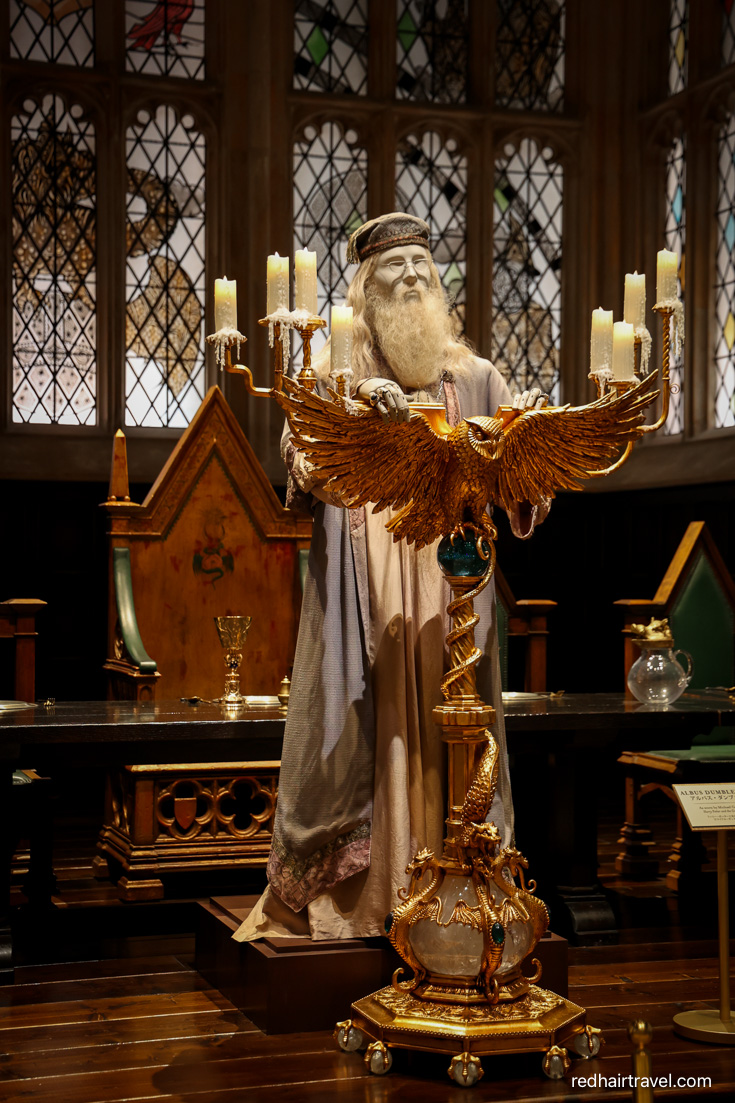
Фанаты Гарри Поттера, возрадуйтесь! В Токио для вас построили гигантскую студию, где можно полетать на метле, прогуляться по запретному лесу, сварить зелье, заглянуть в гости к Хагриду и обзавестись волшебной палочкой. На Warner Bros. Studio Tour Tokyo – The Making of Harry Potter нужно минимум 3-4 часа, билеты покупайте заранее. Берите ранний сеанс, днем – много людей.
There’s a Hogwarts-style cafeteria on site. I recommend the “surprise” dessert.


10. Ginza: Shopping, Restaurants, and Kabuki Theater
Гинза – это центр токийского гламура и шоппинга. У многих это название ассоциируется с гигантскими бутиками (не всегда budget-friendly, надо признаться), мишленовскими ресторанами и дорогими отелями. А если на секунду отвлечься от витрин, здесь можно найти много интересного и неожиданного. Например, аквариум с арт-инсталляциями из рыбок, традиционный японский спектакль кабуки в Kabuki-za, первоклассное спа в mineralism GINZA и публичные бани Konparu-Yu с росписными плитками.
Shopping:
- GINZA SIX – here you’ll find the best that Ginza has to offer. Besides shops, you’ll also find interesting art and a beautiful view of Mount Fuji from the rooftop garden.
- Ginza Place – robot dogs and Crossing Cafe, where they can print any image on your coffee foam.
- Mitsukoshi Ginza – a department store with 80 years of history. Clothes, jewelry, and the best products from all over the country. On the ground floor, there’s a great matcha shop, Ippodo. Tax refunds for purchases can be processed right in the building using machines (ask the salespeople).
- Ginza Itoya – a store for stationery, art supplies, and interior items.
- UNIQLO – a giant boutique of affordable casual clothing. Tax-free at the checkout with a passport.
- Muji – famous affordable Japanese brand for home goods and clothing.
- German Pet House Ginza – pet supplies.
Restaurants:
- Tempura Kondo is a Michelin 2-star tempura restaurant. You have to make a reservation in advance. Go hungry!
- Tír na nÓg – an unconventional concept bar with delicious cocktails.
- Bvlgari Il Ristorante – Luca Fantin – exquisite Italian cuisine
- Glitch Coffee and Roasters GINZA – for coffee enthusiasts
- Crossing Cafe – they print images on coffee


11. Experience the lights of Shinjuku.
Shinjuku is a rather large and diverse district. It’s interesting during the day, but even more colorful in the evening, after sunset.
Walk one minute from JR Shinjuku Station’s East Exit to see the 3D cat billboard. If you continue about five more minutes, you’ll find the Godzilla Head peeking out from the top of a building. Shinjuku Station is the busiest in Tokyo, so don’t worry if it takes a couple of tries to find the right exit.
Be sure to check out Omoide Yokocho Street. It’s an authentic, colorful alley with Japanese eateries. You can also grab a bite to eat here.
On the Tokyo Metropolitan Government Building, a giant animated projection is shown every half hour after sunset until 9-9.30pm. If you find yourself here, go up to one of the free observation decks (in each of the towers, see link for details)
Shinjuku is also home to one of the most beautiful parks in the city – Shinjuku Gyoen National Garden. And a wonderful photo equipment store – Kitamura Camera.


12. Robots, Fish Market, and Poop Museum
Take a trip to the Koto district. The National Museum of Emerging Science and Innovation is interesting and has robots. One even plays soccer. Tickets are sold at the entrance. Besides this museum, Koto has several marine museums and one quite original – Unko – a poop museum.
Koto is also home to TeamLab Planets and the Toyosu fish market. Toyosu replaced the popular Tsukiji (they no longer sell fish there, only overpriced food for tourists). If you want to watch the tuna auctions (at 5 AM) and try the freshest seafood – this is the place.
In 2024, a leisure club opened in Toyosu, with views of the bay and onsen baths, where water is delivered daily by trucks from the hot springs of Hakone and Yugawara. Entry is 24 hours, there are restrictions for people with tattoos. Detailed information is on the official website.
DiverCity Tokyo Plaza – another Tokyo shopping mall, but at the entrance stands a giant UNICORN GUNDAM statue.


13. Book a Free Tour of the Imperial Palace
If you’re interested in history, take a tour of the Imperial Palace. The tour is free, you can book it here. This is the only way to get inside the palace (and even then, only to some parts of it). I found it a bit boring, but many people really enjoy it.
Visitors can freely explore the gardens and parks around the Palace without tours or reservations: East Gardens, Kitanomaru Koen Park, and Kokyo Gaien National Garden.


14. Roppongi and the Art Triangle
Roppongi was once known as Tokyo’s nightlife hotspot. Today, it’s home to some of the city’s best art galleries, luxury boutiques, and restaurants (though the clubs certainly haven’t disappeared).
Художественный музей Мори , Музей искусств Сантори и Национальный Центр Искусства образуют знаменитый культурный треугольник и хранят важные культурные экспонаты. Если решите посетить все три – планируйте целый день, так как кроме галерей внутри самих зданий и поблизости есть много другого интересного. Например, ТЦ Токио-Мидтаун (где Suntory Museum of Art) славится садом с сакурами и музеем Fujifilm. А в Roppongi Hills (где Mori Art) есть смотровая на 52 этаже – Tokyo City View (по билетам). Сохраните билеты из Галереи, чтобы получить скидку в любой другой из “Art Triangle Roppongi.”
Over the past few decades, many international companies have chosen Roppongi for their offices. A lot of expats live here, and the area is full of excellent European and Asian restaurants. French fine dining: Héritage by Kei Kobayashi and L’Atelier de Joël Robuchon; steaks at Empire Steak House Roppongi; upscale Italian at Ristorante Yamazaki; Japanese-Taiwanese fusion dumplings at GYOPAO Gyoza Roppongi; and Starman bar, where drinks are served like floral bouquets.


15. Climb Tokyo Tower
You can find everything in Tokyo! Even a Japanese version of the Eiffel Tower.
Токийскую башню, высотой 333 метра, построили в 1958 году. Она была символом возрождения Японии после Второй мировой войны и самой высокой башней мира на тот момент.
There are several observation decks, cafés, and a souvenir shop in the tower. I wouldn’t call it my favorite viewpoint in the city or a must-visit for every trip, but it was interesting to see this historic symbol from the inside (a robot even escorts you to the elevator on the way down). The tower is lit from sunset until midnight.
The tower is surrounded by parks and temples, convenient to combine with a trip to Roppongi or TeamLab Borderless. Try the delicious eel at the Michelin-starred restaurant Nodaiwa Azabu Iikura Honten.


16. Coffee and Art in Kiyosumi Shirakawa
Kiyosumi-Shirakawa is a quiet Tokyo neighborhood with excellent coffee shops, art museums, and beautiful gardens. It’s a place tourists rarely reach – and one locals love to visit.
The Kiyosumi Shirakawa area is called the secret coffee capital. It’s home to the flagship store of Blue Bottle Coffee. Check out KOFFEE MAMEYA Kakeru (book a table in advance), Allpress Espresso Tokyo Roastery Cafe, or iki ESPRESSO. Take a walk in Kiyosumi Park.
The Tokyo Museum of Contemporary Art is filled with creative exhibits and is worth your time (at least 2 hours). You can continue to The Sumida Hokusai Museum nearby (25-30 min walk). It’s dedicated to the famous Japanese artist Hokusai.
If you’re in the mood for both food and spectacle, Yokozuna Tonkatsu serves Japanese comfort dishes and shows sumo matches.
Fukagawa Edo Museum is a historical museum dedicated to the Edo period, featuring a life-size recreation of a traditional Japanese village with houses, inns, fish shops, and grocery stalls. Don’t miss it if you’re in the area.


17. Take Yourself and Your Kids to Disneyland
Tokyo Disney Resort – место, от которого вы и ваши дети будут в восторге. Токийский Диснейленд известен во всем мире, поэтому не удивляйтесь толпам и очередям. Люди проводят в парке от 1 дня до недели и пишут целые статьи, как уменьшить время ожидания, какой билет купить и куда бежать. Перед поездкой рекомендую подготовиться и почитать информацию здесь или здесь.
18. Sumo
Sumo wrestling is considered Japan’s national sport and is hugely popular. This fantastic spectacle has been held since ancient times and is quite difficult to attend. Official sumo tournaments are held 6 times a year. Three in Tokyo (January, May, and September), one each in Osaka (March), Nagoya (July), and Fukuoka (November). They last for 15 days. Tickets sell out quickly. You can buy them on the official website or on Viator even before the main release.
ЧИТАЙТЕ ТАКЖЕ: 15 Идей что поделать в Осаке
Где еще увидеть борцов сумо в Токио? Один из вариантов – забронировать утреннюю тренировку на Viator или Klook. Также в городе есть несколько ресторанов сумо, где вас угощают любимой едой сумоистов и показывают небольшое шоу (Asakusa Sumo Stable или Yokozuna Tonkatsu).
If you’re lucky enough to be in Tokyo in the fall, the Setagaya Autumn Festival takes place in September, where wrestlers hone their technique in public.


19. Shop till you drop!
Japan has many products that can’t be found in other countries. There are also many well-known brands. Cosmetics, clothing, stationery, electronics, tea, ceramics, kimono. Even if you’re not a shopping fan, Japan’s stores will leave no one indifferent. Moreover, in many places, you can get tax-free right on the spot. So plan some space in your suitcase!
Popular Japanese brands:
- Clothing: Yohji Yamamoto, UNIQLO, Muji, Comme des Garçons, Issey Miyake, A Bathing Ape (BAPE), Sacai, Undercover, Visvim
- Footwear: Asics, Onitsuka Tiger, Mizuno, Suicoke, Hender Scheme
- Cosmetics: Shiseido, SK-II, Kanebo, Kose, Hada Labo
- Japanese watch brands: Seiko, Citizen, Casio, Orient, G-Shock, Credor, Knot
- Electronics: Sony, Panasonic, Toshiba, Fujitsu, Sharp
- Gaming: Nintendo, Sega, Bandai Namco, Capcom
- Tea: Ippodo Tea, Lupicia, Fukujuen, Ito En, Marukyu Koyamaen
READ ALSO: Uji, Kyoto: What to See in Japan’s Matcha Capital
Where to shop:
- Ginza: luxury brands, high-end fashion
- Shibuya: youth fashion, streetwear, electronics
- Harajuku: street fashion, quirky boutiques, second-hand stores
- Shinjuku: electronics and cosmetics
- Akihabara: electronics, anime, manga
- Omotesando: designer boutiques
- Nihonbashi: traditional goods, department stores, luxury
- Roppongi: art, design, and upscale shops
- Shimokitazawa: vintage clothing
- Ikebukuro: home goods
- Kappabashi Street: knives, ceramics
Tokyo is home to some of the world’s best vintage shops (price/quality): Ragtag, 2nd Street, Kindal, Bookoff, Shimokitazawa district.
READ ALSO: What to bring from Japan: 13 things you won’t regret buying
21. Check out the Kusama Museum
Yayoi Kusama is one of the most celebrated contemporary Japanese artists. Her bold and vibrant works are exhibited in major art spaces around the world. There is a Kusama Museum in Tokyo. If you are fond of modern art, you should definitely check it out. You can only enter with advance tickets purchased online. Inside, there are several floors of works (though there turned out to be fewer exhibits than I expected) and a gift shop. Photography is not allowed.


22. Tokyo’s most beautiful library
Did you know there’s a huge museum-library in Tokyo? The Kadokawa Musashino Museum is located not far from the city center. It’s part museum, part library, and part interactive art space. Inside, you’ll find thousands of books and a multi-level immersive hall called the “Bookshelf Theater.” The museum also hosts exhibitions on art, pop culture, and anime. There’s even a room where you can simply sit and meditate.
I had never seen a library like this before. I was pleasantly surprised and ended up spending several hours there. If you love books and want a break from Tokyo’s crowded tourist attractions, this place is definitely for you. You’ll need to reserve your ticket in advance.


Must-Try in Tokyo
23. Michelin restaurants
Tokyo is the city with the most Michelin-starred restaurants. Within a 20-30 minute walk from Tokyo Station, there are at least 48 restaurants with Michelin stars. I recommend trying mono-restaurants (which specialize in one type of food) such as: Tempura Kondo, Shunkeian Arakaki – tempura, Sushi Keita. Find the full list at this link. You need to book a table several months in advance.
DOWNLOAD: Ready-made 2-week Japan itinerary + budget

24. Themed restaurants
Themed cafes and restaurants are common in Japan. Usually, you need to book a table in advance. Here are some recommendations:
- Ninja Tokyo restaurant is one of my favorites. It’s not cheap, but it’s worth it. The whole expierience is in the traditional ninja style: restaurant design, waiters, tricks, interesting tasty food. Recommended.
- Pokemon Cafe Tokyo Nihonbashi – for Pokemon fans.
- Vampire Café – velvet curtains, Gothic patterns, and a table with a small coffin
- Monster Hunter Bar in Akihabara – decorated with replicas of weapons from the game
- Harry Potter Café – cafe in Harry Potter style
- Gonpachi Nishi-Azabu is a restaurant from the movie Kill Bill. You can’t call it 100% themed, but the atmosphere is interesting
- NEOShinjuku Atsushi is a dystopian and cyberpunk style nightclub. The post-apocalyptic menu features a vacuum-packed cheeseburger and drinks invented by ChatGPT.
- Zauo Restaurant offers you to catch your own food with a fishing rod from a fish tank, and then your catch is prepared and brought to your table or boat.
25. Gastro tours and culinary master classes
Food tours, tastings, and gastro walks will be one of your best investments. Japanese cuisine is incredibly diverse and goes far beyond sushi and ramen. It’s a great way to eat well while learning about local culture and traditions.
The aggregators Airbnb, GetYouGuide, Viator and Rakuten are full of offers with reviews and ratings. Here are some interesting ones: Bar-Hopping Tour in Shinjuku, Ramen Tasting Tour, Izakaya Food Tour in Shinjuku, Authentic Japanese Food Crawl in Asakusa.
Those who are willing to go even further in exploring Japanese cuisine can sign up for a culinary master class. A wide selection is available on this website. I highly recommend Cooking Sun Tokyo. I attended their master class on preparing 7 Japanese dishes. They not only taught recipes that can be repeated at home independently but also told us about Japanese cuisine, its peculiarities, and secrets.

25. Tea ceremony
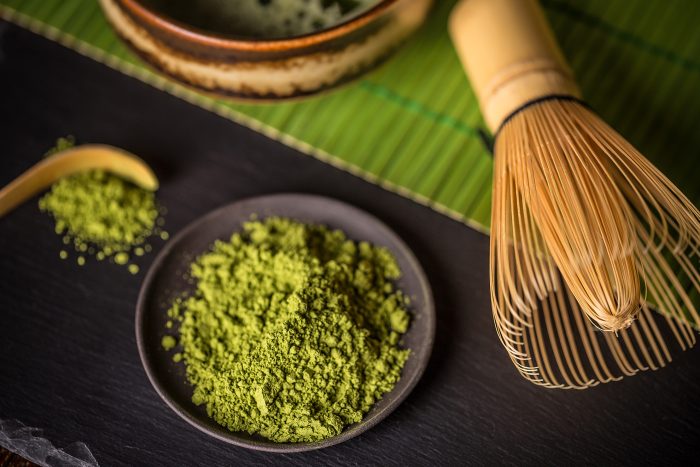
The Japanese tea ceremony is a fascinating cultural experience that is definitely worth trying. It is full of rituals, secrets, and history. Today, travelers have the opportunity to touch this centuries-old tradition and learn how to properly prepare matcha. There are many options in Tokyo. I recommend taking an experience with Maikoya, where you will also be offered to change into a kimono. I attended a tea ceremony+kimono experience in Kyoto from this company and really enjoyed it.


Map of Tokyo
On the Google map, I have marked all the points and details of places mentioned in the article.
Have a great trip! I look forward to your reviews and favorite places in Tokyo in the comments.